Oven Cleaning in Homes and Businesses: A Practical, SEO-Friendly Look at Cleaner Cooking Spaces
Keeping your oven in top condition matters more than many people realize. Regular oven cleaning improves cooking performance, reduces smoke and odors, supports kitchen hygiene, and helps your appliance last longer. Whether you cook every day or only on special occasions, a clean oven makes a noticeable difference in the results on your plate and the comfort of your kitchen.
If you have ever opened the oven door and seen baked-on grease, dark stains, or food residue from past meals, you already know how quickly buildup can happen. Oven cleaning is not just about appearance. It is about removing the layers of grease and carbon that affect heat flow, create unpleasant smells, and make future cleaning even harder. A routine approach can save time, protect your appliance, and make cooking more enjoyable.
In this article, we will explore the benefits of oven cleaning, the most effective cleaning methods, safety considerations, the difference between light and deep cleaning, and practical ways to keep your oven looking and working its best. You will also find useful advice for choosing professional oven cleaning when a DIY method is not enough.
Why Oven Cleaning Matters for Every Kitchen
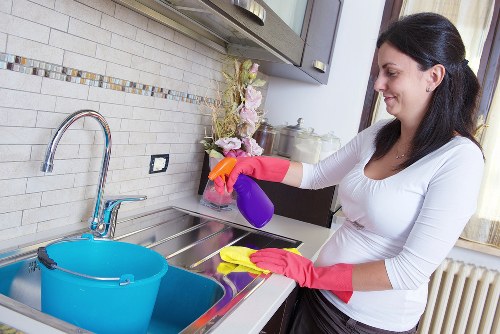
Many households delay oven cleaning until the appliance becomes visibly dirty. Unfortunately, waiting too long can make the job more difficult. Grease and food particles bake onto surfaces with every use. Over time, this buildup becomes hard, sticky, and stubborn. That means more scrubbing, stronger cleaners, and more time spent trying to restore the appliance.
A clean oven also contributes to better food quality. When residue burns during cooking, it can create smoke and unwanted flavors. In some cases, it may even lead to uneven heating. Regular oven cleaning helps the appliance perform more efficiently, which can improve the texture and taste of your meals.
For homes with children, older adults, or frequent cooking activity, cleanliness matters even more. A well-maintained oven reduces the risk of lingering smoke, grease flare-ups, and unpleasant kitchen odors. It also supports a more sanitary cooking environment, especially when multiple dishes are prepared throughout the week.
Common Signs Your Oven Needs Cleaning

Sometimes the need for oven cleaning is obvious. Other times, the signs are subtle. One of the first clues is visible staining on the interior walls, racks, or glass door. Darkened patches, crusted spills, and greasy buildup all indicate that the oven needs attention.
Another common sign is smoke during use. If your oven emits smoke even when cooking normal dishes, food debris may be burning inside. This is often accompanied by a strong, unpleasant smell. When this happens repeatedly, oven cleaning should be a priority.
You may also notice that meals cook unevenly or take longer than expected. While this can happen for other reasons too, grease buildup can interfere with heat distribution. If your oven looks dirty and performs poorly, it is probably time to clean it thoroughly.
Warning Signs to Watch For
- Heavy grease or food buildup on interior surfaces
- Smoke or burning smells during cooking
- Stubborn stains on the glass door
- Discolored racks and trays
- Uneven cooking or longer preheating times
Different Approaches to Oven Cleaning

There are several ways to handle oven cleaning, and the best option depends on the condition of the appliance, the type of oven, and how much time you want to spend. Some people prefer natural solutions, while others rely on commercial products. A professional service may be the best answer for heavily soiled ovens.
Self-cleaning ovens are designed to burn off residue at extremely high temperatures. This feature can be useful, but it is not always the easiest option. It often produces strong odors, can take hours, and may not fully remove baked-on grease from every area. It should also be used carefully according to the manufacturer’s instructions.
Manual oven cleaning gives you more control over the process. It allows you to target greasy spots, clean door glass, and wipe away residue from corners. For deep grime, however, a professional approach may save time and deliver more consistent results. The right method depends on how dirty the oven is and how often it is used.
Popular Cleaning Methods
- Self-cleaning cycle
- Baking soda and vinegar method
- Commercial oven degreaser
- Steam cleaning
- Professional oven cleaning service
How to Clean an Oven Safely at Home
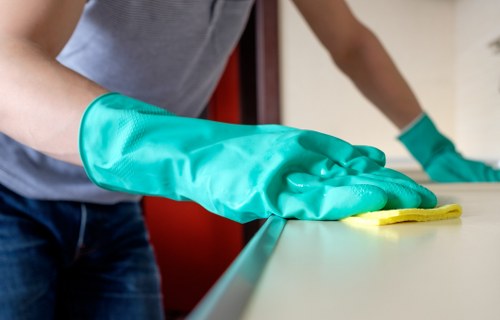
Before beginning oven cleaning, safety should come first. Make sure the oven is completely cool and disconnected from power if possible. Remove racks, trays, and loose debris before applying any cleaner. Good ventilation is also important, especially if you use a commercial product.
For light to moderate buildup, a natural paste made from baking soda and water can work well. Spread the paste inside the oven, avoiding heating elements and other sensitive parts. Let it sit for several hours or overnight. Afterward, wipe it away with a damp cloth and use vinegar to help lift leftover residue.
If stains remain, a non-abrasive sponge or soft brush can help remove them. Avoid harsh scrubbing pads that may scratch the surface. Oven cleaning should be thorough, but gentle enough to protect the enamel and internal components. Patience usually delivers better results than aggressive scrubbing.
Basic Safety Tips
- Always switch off and cool the oven before cleaning
- Wear gloves when using chemical cleaners
- Keep windows open or use an extractor fan
- Follow product instructions carefully
- Never mix cleaning chemicals unless the label says it is safe
Professional Oven Cleaning: When It Makes Sense

Sometimes DIY oven cleaning is not enough. If grease has accumulated for months or years, if the oven has burned-on carbon, or if the glass door and racks are heavily stained, a professional cleaning service may be the smarter choice. Professionals use specialized tools and products designed to remove stubborn buildup efficiently.
One major benefit of expert oven cleaning is time savings. What might take you hours can often be completed more quickly by a trained technician. Professionals also know how to clean hard-to-reach areas, such as behind fan covers, around seals, and in the corners where residue hides. This can improve both appearance and performance.
Professional services may be especially helpful for busy households, rental properties, restaurants, or anyone preparing for a special event. A deep clean can make the kitchen feel refreshed and ready for everyday use. If you are looking for convenience and reliable results, book your service now and enjoy a cleaner oven without the hassle.
Benefits of Hiring a Professional
- Fast and efficient cleaning
- Better removal of stubborn grease
- Less effort and less mess for you
- Improved oven appearance and hygiene
- Reduced risk of damage from incorrect cleaning methods
Oven Cleaning for Different Oven Types
Not every oven is the same, so oven cleaning should be adapted to the appliance type. Conventional ovens, fan ovens, range cookers, wall ovens, and compact kitchen units may all require slightly different care. The materials used inside the oven also matter. Some interiors are enamel-coated, while others may feature stainless steel or glass surfaces.
For example, self-cleaning ovens need more caution around electronic components and sealing strips. Stainless steel exteriors require careful wiping to avoid streaking, while glass doors often need specialized attention to remove grease without scratching. A smart oven cleaning approach protects the finish while still removing all visible grime.
If you are unsure how to care for your model, check the manufacturer’s instructions. That advice can help you avoid mistakes and extend the life of the appliance. Using the right cleaner and method is just as important as the frequency of cleaning.
How Oven Type Can Affect Cleaning
- Conventional ovens: Often need regular wipe-downs and periodic deep cleans
- Fan ovens: Require attention around vents and circulation areas
- Self-cleaning ovens: Need careful use of heat-based cycles
- Built-in ovens: May need extra care around trims and cabinetry
- Commercial-style ovens: Often require frequent, heavy-duty maintenance
How Often Should You Clean an Oven?
The ideal schedule for oven cleaning depends on how often the oven is used and what you cook. If you bake frequently, roast meats, or prepare dishes that bubble over, the oven may need attention more often. For lighter use, a quick monthly clean and a deep clean every few months may be enough.
A good habit is to wipe spills soon after the oven has cooled. Fresh spills are much easier to remove than baked-on residue. This simple practice can reduce the need for intense scrubbing later. Regular upkeep also helps maintain the cooking performance of the appliance.
As a rule of thumb, many households benefit from a light oven cleaning after a few uses and a deeper clean every 1 to 3 months. However, if you notice smoke, odors, or visible buildup sooner, do not wait. The earlier you act, the easier the job becomes.
Suggested Cleaning Frequency
- Light use: Every 2 to 3 months
- Moderate use: Monthly or every 6 to 8 weeks
- Heavy use: Weekly wipe-downs with frequent deep cleans
- Commercial or shared kitchens: More frequent professional maintenance
Natural vs Chemical Oven Cleaning Products
People often debate whether natural or chemical products are better for oven cleaning. The truth is that each option has advantages. Natural methods, such as baking soda and vinegar, are popular because they are affordable, widely available, and gentler in smell. They work well for light and moderate grease.
Chemical cleaners are typically stronger and may be more effective on heavy buildup. They can save effort, especially when dealing with burned-on residue. However, they should be used carefully because they may produce strong fumes or require extra rinsing. Reading the label and following directions is essential.
If you prefer an eco-friendlier approach, start with natural cleaners and repeat the process if needed. If the oven has not been cleaned in a long time, a professional cleaning or a stronger product may be more practical. Choosing the right method depends on the condition of the oven and your comfort level with the products involved.
Cleaning Product Considerations
- Natural options: Safer smell, lower cost, gentler on surfaces
- Chemical options: Stronger on stubborn grease, faster results
- Professional products: Designed for deep grime and detailed cleaning
Extra Tips to Keep Your Oven Cleaner for Longer
Good habits make oven cleaning easier over time. One of the simplest tips is to place trays or baking sheets under dishes that may bubble over. This can catch spills before they reach the oven floor. Another helpful habit is to use oven-safe covers when appropriate.
Wiping the interior after the oven cools also makes a big difference. Even a quick clean with a damp cloth can stop grease from hardening. Remove crumbs and loose food debris as soon as you spot them. Small actions now can reduce the need for a major cleaning session later.
It is also wise to clean the oven door glass regularly. When that area gets cloudy or stained, the whole appliance can look neglected, even if the rest is fairly clean. A shining door gives the kitchen a fresher appearance and makes it easier to check food while it cooks.
Helpful Maintenance Habits
- Wipe up spills as soon as the oven cools
- Use trays to catch bubbling sauces and drips
- Clean the door glass routinely
- Remove racks and wash them separately when needed
- Schedule periodic deep cleaning before buildup becomes severe
Why Oven Cleaning Supports Better Kitchen Hygiene
A kitchen is only as clean as its most neglected surfaces. Oven cleaning is a key part of kitchen hygiene because ovens collect grease, crumbs, and residue that can attract odor and smoke. While the appliance may not be in constant contact with food, its interior directly affects the cooking environment.
A clean oven supports better airflow, cleaner roasting, and more reliable baking results. It also helps the rest of the kitchen stay cleaner because less smoke and residue spread into the surrounding area. For anyone who takes pride in their cooking space, regular oven cleaning is one of the most effective maintenance tasks you can do.
When the oven is clean, the whole kitchen feels more organized and inviting. Cooking becomes more pleasant, cleanup becomes easier, and the appliance can continue working at its best. If your oven needs attention, do not put it off. Contact us today or arrange a professional service when you are ready to restore freshness and performance.
Final Thoughts on Oven Cleaning
Oven cleaning is an essential part of maintaining a healthy, efficient, and attractive kitchen. From removing grease and burnt residue to reducing odors and supporting better cooking results, the benefits are both practical and long-lasting. Whether you choose a natural DIY method, a commercial cleaner, or a professional service, consistent care makes a real difference.
The best approach is usually a balanced one: clean spills promptly, deep clean when needed, and choose the method that fits your oven and lifestyle. By making oven cleaning part of your regular maintenance routine, you protect your appliance and create a more enjoyable kitchen environment. If your oven is overdue for attention, now is the perfect time to act. Book your service now and take the first step toward a cleaner, fresher cooking space.