Communal Area Cleaning: Creating Safer, Healthier, and More Welcoming Shared Spaces

Why Communal Area Cleaning Matters for Every Property
Communal area cleaning is one of the most important services for keeping shared spaces safe, attractive, and functional. Whether a building is residential, commercial, or mixed-use, communal areas are the first places people see and the most frequently used spaces in the property. Lobbies, corridors, stairwells, lifts, reception zones, shared kitchens, and washrooms all experience steady traffic, which means dirt, dust, fingerprints, and clutter can build up quickly.
When communal area cleaning is done properly, it does more than improve appearance. It supports hygiene, reduces slip and trip risks, helps prevent the spread of germs, and creates a more positive impression for visitors, tenants, and staff. In apartment blocks, office buildings, schools, and managed estates, clean shared areas can significantly improve daily comfort and perceived property value.
In many settings, communal area cleaning is not just a matter of presentation; it is part of responsible property management. Regular upkeep demonstrates care, boosts morale, and can even extend the life of flooring, fittings, and fixtures. For building managers and property owners, investing in professional shared space cleaning is often a practical way to avoid larger maintenance issues later on.
What Communal Area Cleaning Includes
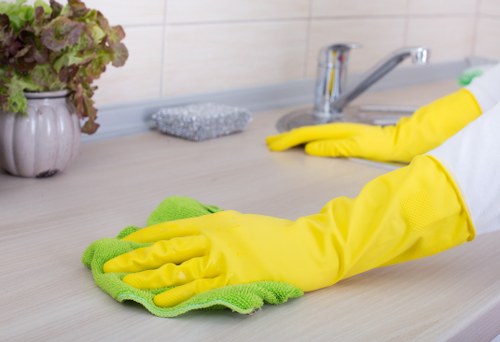
Communal area cleaning covers all shared zones within a property that are used by multiple people. These areas often require special attention because they collect more foot traffic and are exposed to more wear than private rooms. A proper cleaning plan will be tailored to the layout, materials, and usage patterns of the building.
Typical communal area cleaning tasks may include vacuuming carpets, mopping hard floors, dusting ledges and skirting boards, wiping handrails, sanitising touchpoints, cleaning entrance mats, emptying bins, and polishing visible surfaces. In some buildings, the service can also include lift cleaning, glass cleaning, deep cleaning of shared kitchens, and periodic washroom sanitation.
Common shared areas that benefit from regular maintenance include:
- Entrance halls and reception areas
- Corridors and hallways
- Staircases and landings
- Elevators and lift lobbies
- Shared kitchens and breakout spaces
- Public washrooms
- Bin stores and utility spaces
- Exterior entry points and matting
The Health Benefits of Regular Communal Area Cleaning
One of the strongest reasons to prioritise communal area cleaning is the health benefit it provides. Shared spaces naturally collect bacteria, viruses, allergens, and pollutants from constant human activity. Door handles, lift buttons, bannisters, and shared tables are all high-touch points that can quickly become contaminated if they are not cleaned frequently.
By keeping these areas hygienic, property managers can help reduce the likelihood of illness spreading among residents, workers, or visitors. This is especially important during colder months, in large buildings, or in facilities that host vulnerable groups. Professional communal area cleaning supports better hygiene standards and encourages people to feel comfortable using shared amenities.
There is also a strong connection between cleanliness and air quality. Dust, mould spores, and dirt can accumulate in corners, vents, and soft furnishings, affecting anyone with allergies or respiratory sensitivities. A consistent cleaning schedule helps manage these risks and contributes to a fresher, healthier indoor environment.
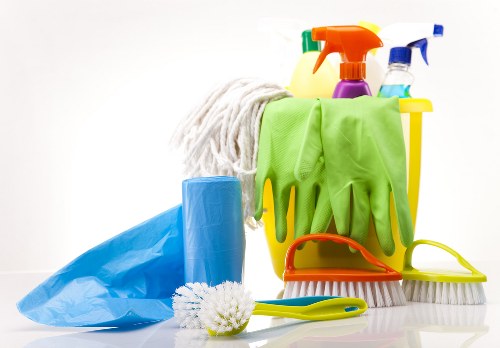
First Impressions and the Value of Clean Shared Spaces
Communal area cleaning has a major impact on first impressions. A spotless lobby, polished handrails, and fresh-smelling corridors send a strong message that a building is well managed and cared for. On the other hand, dusty surfaces, stained floors, and overflowing bins can create a negative impression immediately.
For businesses, shared areas are often the first point of contact for clients, partners, and staff. Clean communal zones help reinforce professionalism and attention to detail. In residential buildings, they contribute to a sense of pride and community, making tenants feel that their living environment is respected.
Well-maintained communal areas can also support property retention and satisfaction. People are more likely to value and stay in spaces that feel orderly, hygienic, and pleasant. That is why communal area cleaning is often viewed as an investment in the overall reputation of a building rather than a simple housekeeping task.
How a Professional Communal Area Cleaning Routine Works
A successful communal area cleaning routine is built around consistency, attention to detail, and suitability for the building’s needs. Every property is different, so schedules should reflect the number of users, the level of foot traffic, and the type of surfaces present. A small residential block may need weekly maintenance, while a busy office or apartment complex may require daily cleaning.
Professional cleaners usually follow a structured process that begins with inspection and preparation. This includes identifying high-traffic areas, checking for hazards, and selecting the right cleaning products and tools. Once the routine starts, cleaners work from the top of the area downward, ensuring dust and debris are removed efficiently before floor cleaning takes place.
Key steps often include:
- Removing litter and visible debris
- Dusting and wiping surfaces
- Sanitising touchpoints
- Vacuuming carpets and mats
- Mopping and drying hard floors
- Cleaning glass and spot marks
- Checking washrooms and replenishing supplies
Choosing the Right Cleaning Frequency
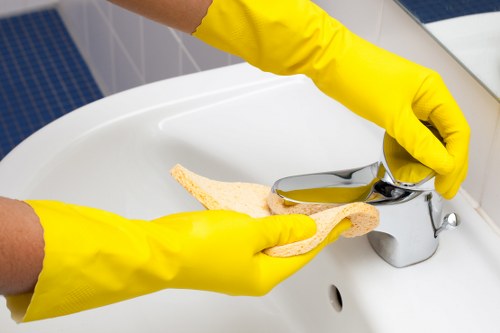
The right cleaning frequency depends on how the communal area is used. Busy buildings with constant movement require more frequent attention because dirt accumulates faster and hygiene standards can drop quickly. In contrast, low-traffic properties may not need daily service, but they still benefit from regular maintenance.
For example, entrance areas and corridors in apartment blocks often need several visits per week, while stairwells may be cleaned on a rotating basis. Offices, medical suites, and multi-tenant business properties may need daily communal area cleaning to keep up with people traffic and maintain a professional atmosphere. A tailored schedule is always more effective than a one-size-fits-all approach.
When deciding frequency, it helps to consider:
- Number of occupants or visitors
- Type of building and purpose
- Seasonal dirt and weather conditions
- Presence of children, elderly residents, or vulnerable users
- Material sensitivity, such as marble, wood, or specialist flooring
The Most Important Areas to Prioritise
Not every communal space receives the same level of use, so the most effective communal area cleaning plans focus on priority zones first. High-touch surfaces and heavily trafficked pathways should always be near the top of the checklist. This ensures that the areas most likely to affect hygiene and safety receive regular attention.
Stair railings, lift buttons, light switches, door handles, and reception counters are common examples of surfaces that need frequent sanitisation. Floors in entrances and hallways should also be monitored closely because they collect mud, water, and grit, which can become slippery and damage finishes if ignored.
Attention to detail is what makes a shared space look truly clean. A good service does not just make things appear tidy; it removes the build-up that can cause odours, staining, and long-term deterioration.

Communal Area Cleaning and Safety Standards
Safety is a major part of communal area cleaning. Shared areas must remain accessible and hazard-free, especially in buildings used by older adults, children, or people with limited mobility. Wet floors, cluttered walkways, poor lighting, or blocked exits can create serious risks if they are not managed properly during and after cleaning.
Professional cleaners are trained to use warning signs, control cleaning times, and follow safe procedures around lifts, electrical fittings, and restricted zones. They also know how to use products correctly, reducing the chance of chemical residue, surface damage, or unwanted odours. This is particularly important in enclosed communal environments where poor ventilation can make incorrect product use more noticeable.
A safe communal area cleaning approach should always include:
- Clear signage for wet floors
- Non-slip care for hard floors
- Safe use of cleaning chemicals
- Proper ventilation during work
- Secure storage of equipment and products
- Awareness of emergency exits and fire routes
Eco-Friendly Options in Communal Area Cleaning
Modern communal area cleaning often includes environmentally responsible methods. Many property owners and managers now prefer cleaning solutions that reduce harsh chemical use while still delivering strong results. This shift is driven by environmental concerns, user comfort, and the desire to support healthier indoor environments.
Eco-friendly cleaning may involve biodegradable products, microfiber cloths, water-efficient equipment, and concentrated solutions that reduce packaging waste. These methods can be especially effective in communal spaces where routine maintenance is needed frequently. When chosen carefully, green cleaning products can leave spaces fresh without introducing strong fumes or unnecessary residues.
Using sustainable methods does not mean compromising on quality. In fact, a well-designed eco-conscious communal area cleaning plan can improve cleanliness while aligning with a property’s sustainability goals. It is a practical way to show responsibility to occupants and the wider community.
Common Problems Caused by Poor Communal Area Cleaning
When communal area cleaning is inconsistent or neglected, problems appear quickly. Dust builds up on ledges, spills remain on floors, odours spread, and surfaces begin to look tired and uncared for. These issues are not only unattractive; they can also create long-term damage and frustration for occupants.
One of the most common consequences is floor wear. Dirt and grit act like abrasives, slowly scratching surfaces and reducing their lifespan. Carpets can become dull and stained, hard floors can lose their shine, and entrance mats may stop trapping debris effectively. Poor cleaning habits often lead to higher maintenance costs in the future.
Other problems may include:
- Unpleasant smells in shared bins or kitchens
- Increased pest activity
- Disputes among residents or tenants
- Reduced satisfaction with the property
- Greater risk of slips, trips, and falls
What to Expect from a Reliable Cleaning Service
A reliable communal area cleaning service should be consistent, flexible, and responsive to the needs of the property. Clear communication and a strong routine are essential. The service should know which areas need daily attention, which require periodic deep cleaning, and how to adapt when seasonal or occupancy changes occur.
Reliable providers usually offer structured checklists, quality control procedures, and the ability to work around residents or office hours. They understand that shared environments need minimal disruption, so timing and discretion matter as much as the cleaning itself. A good service should also be able to handle both routine upkeep and ad hoc requests when unexpected mess or events occur.
Look for services that provide:
- Flexible cleaning schedules
- Trained and vetted cleaning staff
- Detailed task lists
- Quality inspections
- Use of suitable cleaning products
How Property Managers Can Support Better Results
Property managers play a big role in the success of communal area cleaning. Even the best cleaners benefit from clear expectations, accessible storage spaces, and practical reporting systems. When managers and cleaning teams work together, results are noticeably better and easier to maintain.
Simple actions can improve outcomes, such as ensuring bins are emptied on time, reporting spills promptly, and keeping walkways free from clutter. It also helps to review cleaning schedules regularly so they stay in line with building use. If traffic increases or occupancy changes, the service should change too.
Communication is key. When managers share concerns early, cleaning teams can respond before small issues become major ones. This creates a smoother experience for everyone who uses the building.
Why Consistency Matters More Than Occasional Deep Cleans
Deep cleaning has its place, but it cannot replace regular communal area cleaning. Shared spaces need ongoing attention because dirt and germs return quickly. A one-off clean may improve appearance temporarily, but it does not provide the steady control needed to keep the environment safe and appealing.
Consistency is what protects surfaces, maintains hygiene, and builds confidence among occupants. Even simple daily tasks, such as wiping handrails or removing litter, can make a significant difference when performed reliably. Over time, these small actions prevent the buildup that leads to visible wear and costly restoration work.
That is why many property managers rely on a mix of routine upkeep and periodic deep service. Together, they create a balanced approach that keeps communal spaces in good condition all year round.
Communal Area Cleaning for Different Property Types
Different buildings have different cleaning challenges. Residential blocks often need focus on entrances, stairwells, and waste areas. Office buildings require attention to reception spaces, lifts, kitchens, and washrooms. Healthcare-linked premises, educational buildings, and mixed-use developments may need additional hygiene controls because of higher public interaction.
In apartment complexes, communal area cleaning helps residents feel comfortable where they live. In offices, it supports productivity and professionalism. In retail or mixed-use buildings, it helps ensure that visitors experience a clean and welcoming environment from the moment they arrive. Tailoring the service to the property type makes the cleaning more efficient and effective.
Every building has different priorities, but the goal remains the same: a cleaner, safer, and more pleasant shared environment.
Tips for Maintaining Cleaner Communal Spaces Between Visits
Even with professional communal area cleaning, small everyday habits can help keep shared spaces in better condition between scheduled visits. These habits reduce pressure on the cleaning team and make the environment more pleasant for everyone.
Practical tips include encouraging occupants to dispose of rubbish properly, wiping up spills quickly, storing items neatly, and avoiding clutter in hallways or entrances. Using good-quality entrance mats can also help trap dirt before it spreads through the building. In addition, clear building rules around waste and shared use can prevent many common cleanliness issues.
Helpful maintenance habits include:
- Prompt spill reporting
- Keeping personal items out of common areas
- Using mats at entrances
- Closing bins properly
- Respecting shared facilities
Why Communal Area Cleaning Is Worth the Investment
When viewed properly, communal area cleaning is not just an operational expense. It is a value-adding service that supports safety, hygiene, appearance, and tenant satisfaction. Clean shared spaces can influence how people feel about a property, how often issues are reported, and how well the building performs over time.
By protecting floors, surfaces, and fixtures from avoidable damage, routine cleaning also helps reduce repair and replacement costs. In other words, consistent care can save money in the long run while improving day-to-day experience. For many property owners and managers, this makes professional shared space cleaning a smart and sustainable choice.
If you want your building to look its best and function smoothly, now is the time to prioritise communal area cleaning. Contact us today to discuss a tailored cleaning plan, or book your service now to keep your shared spaces clean, safe, and welcoming.