House Cleaning: Practical Tips, Smart Routines, and a Cleaner Home Every Day
Why House Cleaning Matters More Than You Think

House cleaning is more than a weekend chore; it is one of the simplest ways to protect your comfort, health, and peace of mind. A clean home can reduce dust buildup, improve indoor air quality, and make everyday living feel more organized and manageable. When house cleaning is done regularly, it becomes easier to keep clutter under control and avoid the stress that comes from messy spaces.
Many people think house cleaning is only about appearance, but the benefits go much deeper. Clean floors, disinfected surfaces, and tidy rooms can help limit allergens, support better sleep, and create a more welcoming environment for family and guests. Whether you live in a small apartment or a large household, consistent house cleaning can make a noticeable difference in how your home feels.
Another reason house cleaning matters is that it helps preserve your belongings. Dust, grime, and moisture can slowly damage furniture, appliances, and surfaces if they are ignored for too long. By building a reliable cleaning routine, you can extend the life of your home’s materials while also enjoying a fresher and more attractive living space.
Building a House Cleaning Routine That Works
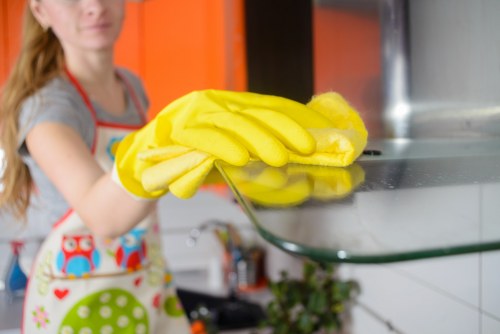
The most effective house cleaning approach is the one you can actually maintain. Instead of trying to clean everything at once, it is usually better to divide tasks into daily, weekly, and monthly responsibilities. This makes house cleaning feel less overwhelming and gives you a system that fits your schedule.
A daily routine might include quick tasks like wiping kitchen counters, making beds, loading the dishwasher, and putting items back where they belong. These small actions prevent mess from building up. A weekly routine can focus on deeper house cleaning tasks such as vacuuming, mopping, dusting, and disinfecting bathrooms. Monthly tasks may include cleaning behind furniture, washing windows, and organizing storage areas.
To stay consistent, it helps to choose a plan that matches your lifestyle. For example, busy families may prefer short cleaning sessions every day, while single professionals may combine house cleaning into one or two focused sessions each week. The key is consistency, not perfection. A practical routine will always be more effective than an ambitious plan that gets abandoned after a few days.
Simple Daily Habits That Make a Big Difference
Small habits can keep your home in good shape between larger cleaning sessions. Try these simple actions:
- Wipe spills as soon as they happen.
- Return shoes, bags, and keys to a designated place.
- Run a quick sweep through high-traffic areas.
- Empty trash before it becomes overloaded.
- Spend five minutes resetting common spaces each evening.
Room-by-Room House Cleaning Strategies
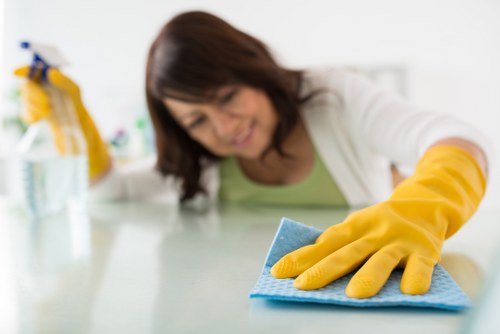
One of the smartest ways to approach house cleaning is to focus on each room separately. Different spaces collect different kinds of dirt, so a room-by-room method helps you clean more efficiently. It also ensures that no area gets overlooked.
In the kitchen, house cleaning should prioritize food safety and grease removal. Countertops, sinks, cabinet handles, and appliance surfaces should be cleaned often. In the bathroom, disinfecting is essential because moisture can encourage mold and bacteria. Bedrooms benefit from dusting, vacuuming, and fresh bedding. Living rooms need regular attention to upholstery, floors, and electronics.
When you clean room by room, it becomes easier to identify which areas need the most effort. This method also helps you save time because you can gather the right tools before you begin. Instead of constantly switching supplies, you can focus on one space, finish it well, and move on to the next.
Kitchen Cleaning Priorities
The kitchen is often the busiest area in the home, which means it can get messy quickly. Focus on:
- Wiping down counters and backsplashes
- Cleaning the sink and faucet
- Degreasing stovetops and range hoods
- Sanitizing refrigerator handles and cabinet pulls
- Sweeping and mopping floors
Bathroom Cleaning Priorities
A clean bathroom improves comfort and hygiene. Be sure to:
- Scrub the toilet, tub, and shower
- Clean mirrors and glass surfaces
- Disinfect sinks and countertops
- Replace towels regularly
- Address moisture and ventilation issues
Essential Tools and Products for Effective House Cleaning
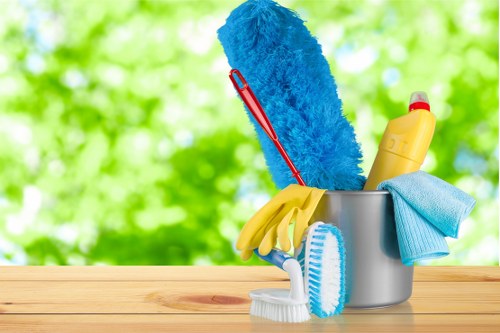
Good house cleaning starts with the right tools. You do not need a huge collection of products, but you do need items that make the job faster, safer, and more effective. A few basic supplies can handle most tasks in the home.
Common house cleaning tools include microfiber cloths, a vacuum cleaner, a mop, a broom, scrub brushes, a bucket, and a variety of sponges. Many households also keep disinfecting wipes, glass cleaner, and all-purpose cleaner on hand. For people who prefer natural alternatives, vinegar, baking soda, and mild soap can handle a wide range of cleaning jobs. The best product is the one suited to the surface and the mess.
It is also wise to store supplies in an easy-to-reach place. When house cleaning tools are organized, you are more likely to use them regularly. Consider keeping a small cleaning caddy with your most-used products so you can move from room to room without wasting time. If you have children or pets, make sure cleaning chemicals are stored safely and used according to label directions.
Must-Have Cleaning Essentials
Here are a few basics worth keeping in your home:
- Microfiber dusting cloths
- All-purpose cleaner
- Toilet bowl cleaner
- Glass cleaner
- Vacuum with attachments
- Mop and floor solution
- Rubber gloves
Optional Tools That Save Time
Some extra tools can make house cleaning easier and more efficient:
- Extendable duster for ceiling corners
- Detail brushes for grout and vents
- Steam cleaner for deep cleaning
- Storage baskets for decluttering
Deep House Cleaning vs. Regular Cleaning
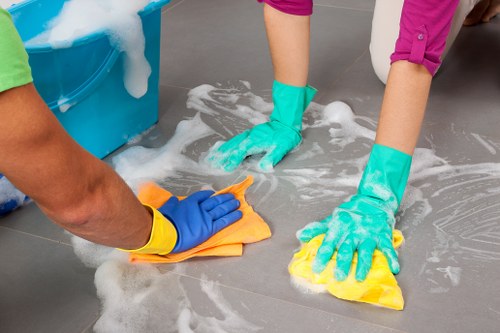
Not all house cleaning is the same. Regular cleaning keeps your home presentable and hygienic, while deep cleaning tackles hidden dirt and buildup. Both are important, and both should be part of a complete home care routine.
Regular house cleaning includes tasks like wiping visible surfaces, vacuuming floors, cleaning bathrooms, and taking out trash. Deep cleaning goes further. It may involve scrubbing baseboards, washing behind appliances, cleaning vents, and sanitizing less obvious areas. Deep cleaning is especially helpful during seasonal changes, before special occasions, or after a long period of neglect.
Many homeowners find that a monthly or seasonal deep clean helps keep regular cleaning easier. For example, if you deep clean the kitchen every few months, daily upkeep becomes much simpler. Deep cleaning does not have to happen every week, but it should not be ignored either. The goal is to prevent buildup before it becomes a bigger problem.
Deep Cleaning Tasks to Consider
- Wash baseboards and trim.
- Clean inside appliances.
- Vacuum under furniture.
- Scrub tile grout.
- Wash curtains or blinds.
- Dust ceiling fans and light fixtures.
- Sanitize high-touch surfaces.
By separating routine maintenance from deeper work, house cleaning becomes more manageable and less tiring. You can schedule deep cleaning in smaller sections instead of trying to do everything in one exhausting day.
How to Clean Faster Without Sacrificing Quality
Many people want house cleaning to be quicker, but fast cleaning should never mean careless cleaning. The goal is to work efficiently while still achieving a clean and comfortable home. One of the best ways to save time is to clean from top to bottom. Dust and debris fall downward, so starting high and finishing low reduces the need to repeat steps.
Another helpful strategy is to gather all supplies before you start. If you keep going back and forth for products, the task will take much longer than necessary. Set a timer if you need focus, and use short cleaning bursts to stay motivated. Even fifteen or twenty minutes of concentrated house cleaning can produce impressive results when done consistently.
It is also useful to clean in zones. Instead of trying to clean every room at once, finish one area before moving to the next. This method creates visible progress and can help you stay organized. Efficiency comes from planning, not rushing blindly through chores.
Time-Saving House Cleaning Tips
- Keep duplicates of essentials in key areas.
- Use microfiber cloths for faster dust pickup.
- Set a timer for short cleaning sprints.
- Declutter before cleaning to reduce obstacles.
- Clean as you go after meals and activities.
For many households, the biggest time-saver is daily maintenance. If you handle small messes quickly, your weekly house cleaning sessions become much shorter and easier.
House Cleaning for Busy Families and Active Households
Busy households often struggle to keep up with house cleaning because there is always something else happening. Children, work schedules, pets, and activities can create constant mess. In these situations, the best approach is to keep expectations realistic and build routines that involve everyone.
Family cleaning does not need to be complicated. Assign age-appropriate chores to children, share responsibilities between adults, and focus on high-traffic areas first. Even small contributions can make a major difference. For instance, one person may handle laundry while another wipes the kitchen, and the kids can help put toys away. Shared house cleaning reduces stress and builds helpful habits.
Homes with pets may need more frequent vacuuming, floor care, and fabric cleaning. Pet hair, dander, and tracked-in dirt can accumulate quickly. Using washable covers, lint rollers, and pet-safe cleaners can help keep the home fresh without extra hassle. If you have a very active household, it may be useful to create a simple checklist so everyone knows what needs to be done each day or week.
Family-Friendly Task Ideas
- Children: put toys away and wipe small spills.
- Teens: vacuum, take out trash, or fold laundry.
- Adults: handle bathrooms, kitchens, and deeper tasks.
- Everyone: reset shared spaces before bedtime.
Eco-Friendly House Cleaning Choices
More homeowners are looking for eco-friendly house cleaning options that are safer for families, pets, and the environment. Green cleaning does not mean compromising on results. In fact, many natural solutions can be very effective when used correctly.
Common eco-friendly house cleaning ingredients include vinegar, baking soda, lemon juice, and castile soap. These products can help remove odors, cut through grease, and freshen surfaces. Reusable microfiber cloths also reduce waste compared with disposable wipes and paper towels. Choosing concentrated cleaners or refillable products can further reduce packaging waste.
It is important to remember that natural does not always mean harmless for every surface. Always test products on a small area first and avoid mixing chemicals unless the label specifically says it is safe. Safe house cleaning is smart cleaning, and that applies whether you use eco-friendly products or traditional ones.
Benefits of Greener Cleaning Habits
- Less chemical exposure indoors
- Reduced waste from disposable products
- Better support for sustainable living
- Often lower long-term cleaning costs
Common House Cleaning Mistakes to Avoid
Even with good intentions, some common mistakes can make house cleaning less effective. One frequent problem is using too much product. More cleaner does not always mean better results; in some cases, it leaves residue behind. Another mistake is skipping regular upkeep and waiting until the mess feels overwhelming.
Many people also clean in the wrong order, which creates extra work. For example, vacuuming before dusting means dust may settle on the floor again. Another issue is using the wrong cloth or sponge for delicate surfaces, which can cause scratches or streaks. Paying attention to instructions and surface types can prevent damage and improve results.
Lastly, some homeowners forget to clean often-overlooked areas like switch plates, door handles, remote controls, and vent covers. These spots may not be obvious, but they collect germs and grime over time. A strong house cleaning routine should include both visible and hidden surfaces.
Watch Out for These Errors
- Using too much cleaning product.
- Skipping high-touch surfaces.
- Cleaning in the wrong order.
- Ignoring ventilation and moisture problems.
- Letting clutter block efficient cleaning.
When Professional House Cleaning Makes Sense
Although many people handle house cleaning on their own, there are times when professional help makes sense. A professional service can save time, provide deeper results, and take care of tasks that are difficult to manage alone. This is especially helpful for large homes, busy households, or anyone recovering from a major life change.
Professional house cleaning may be a good choice before moving in or out of a property, after renovations, during seasonal refreshes, or when daily upkeep has become too much to handle. A trained cleaning team can often work more efficiently and bring specialized tools for stubborn dirt, hard-to-reach areas, and detailed work.
Choosing professional house cleaning does not mean giving up control over your home. Instead, it can support your routine and give you more time for family, work, and rest. Many homeowners combine professional service with light daily upkeep to keep their living spaces in great shape throughout the year.
Situations Where Help Can Be Valuable
- After home remodeling or repairs
- Before or after moving
- During busy work seasons
- For deep seasonal cleaning
- When mobility or health limits cleaning ability
If you decide to use outside support, look for a service that matches your needs and schedule. Contact us today to explore options that make house cleaning simpler and more manageable.
Keeping Your Home Clean Long-Term
Long-term success with house cleaning comes from habits, not short bursts of motivation. Once your home is in decent shape, the job is to keep it that way through steady maintenance. That means staying on top of clutter, wiping surfaces regularly, and doing small cleanups before mess gets out of hand.
A simple checklist can help you stay organized. Write down the tasks that matter most and divide them into weekly and monthly goals. Use reminders if needed. The more routine house cleaning becomes, the less effort it will take. Over time, a clean home feels less like a task and more like a natural part of living well.
It is also helpful to set realistic expectations. No home stays spotless all the time, and that is perfectly normal. What matters is creating a space that feels healthy, functional, and welcoming. With the right habits, house cleaning becomes easier, faster, and much less stressful.
A Simple Long-Term Maintenance Mindset
- Do a little each day.
- Clean messes right away when possible.
- Refresh rooms before clutter builds up.
- Schedule deeper tasks in advance.
- Celebrate progress instead of aiming for perfection.
When you treat house cleaning as an ongoing system rather than a one-time event, your home stays in better condition year-round.
Ready to make your home feel fresher and easier to manage? Book your service now and take the next step toward a cleaner, more comfortable living space.