Domestic Cleaning: Creating a Healthier, Fresher Home Every Day
Domestic cleaning is more than a weekly chore; it is a practical way to protect your comfort, improve hygiene, and make everyday life feel easier. Whether you live in a small apartment, a family house, or a busy shared home, domestic cleaning helps keep dust, dirt, bacteria, and clutter under control. A clean home supports better wellbeing, reduces stress, and creates a more welcoming environment for everyone who walks through the door.
Many people think domestic cleaning is simply about making rooms look neat, but it also plays an important role in home maintenance. Regular cleaning protects flooring, fabrics, kitchen surfaces, bathrooms, and appliances from build-up and long-term damage. It can even help improve indoor air quality by reducing dust, pet hair, and allergens that collect over time.
For busy households, domestic cleaning can feel overwhelming when tasks build up. The good news is that with a structured approach, the process becomes much easier to manage. By focusing on the right routines, using the right products, and understanding how to clean each area effectively, you can keep your home in excellent condition without unnecessary stress.
Why Domestic Cleaning Matters for Every Home
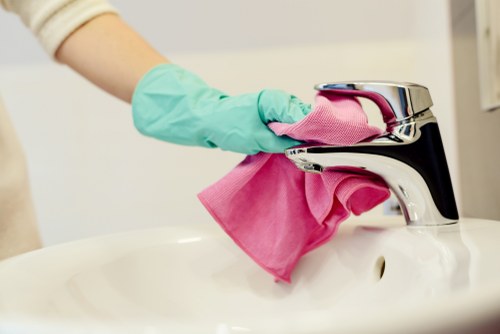
Domestic cleaning is essential because a home naturally accumulates dirt from daily living. Foot traffic brings in dust and debris, kitchens collect grease, and bathrooms need frequent attention to stay hygienic. Without regular domestic cleaning, small messes quickly become larger and more difficult to remove.
A well-cleaned home can also improve mental clarity and relaxation. Many people find that domestic cleaning creates a sense of control and calm, especially when life feels busy or unpredictable. A tidy environment can make it easier to focus, unwind, and enjoy time with family.
There is also a practical financial reason to stay on top of domestic cleaning. When dust, limescale, mould, or grease are left too long, they can damage surfaces and reduce the lifespan of home fixtures. Regular upkeep helps you avoid costly repairs and replacements later on.
Common benefits of domestic cleaning
- Improves household hygiene and reduces bacteria
- Helps manage dust, pollen, and allergens
- Makes rooms feel brighter and more comfortable
- Protects carpets, furniture, and appliances
- Supports a more organised and peaceful lifestyle
Building an Effective Domestic Cleaning Routine
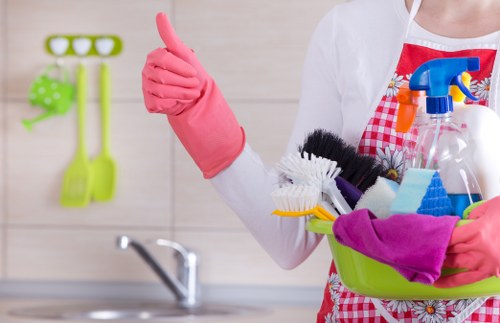
The best domestic cleaning routine is one that fits your household, schedule, and priorities. A realistic plan is far more effective than an ambitious routine that is too hard to maintain. Start by identifying the most important tasks for each room and deciding how often they need attention.
For many homes, a simple structure works well: daily tidying, weekly domestic cleaning, monthly deep-cleaning tasks, and seasonal maintenance. This approach keeps the workload manageable and helps prevent everything from piling up at once. It also makes domestic cleaning feel less like a major event and more like a normal part of home life.
Consistency matters more than perfection. Even if you only have 15 to 20 minutes a day, regular attention to high-use areas like the kitchen, bathroom, and living room can make a huge difference. Over time, those small efforts create a cleaner and more pleasant home environment.
Daily, weekly, and monthly tasks
- Daily: wipe counters, wash dishes, clear clutter, and sweep high-traffic areas
- Weekly: vacuum, mop, clean bathrooms, dust surfaces, and change bedding if needed
- Monthly: clean skirting boards, wipe doors, deep-clean kitchen appliances, and wash windowsills
- Seasonally: tackle windows, curtains, upholstery, storage spaces, and overlooked corners
Kitchen Domestic Cleaning: Hygiene Starts Here
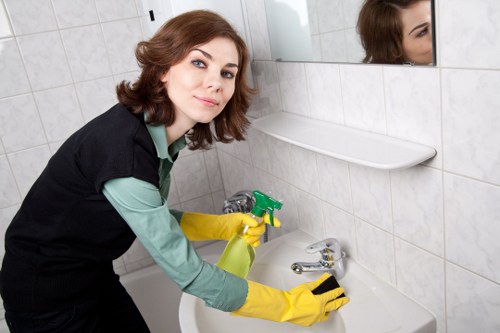
The kitchen is one of the most important spaces for domestic cleaning because it is used for food preparation and often becomes the busiest room in the home. Grease, crumbs, spills, and food residue can build up very quickly, so frequent attention is essential.
Start with the worktops, sink, stove, and splashback areas. These surfaces should be wiped regularly to remove bacteria and prevent stains from becoming stubborn. Appliances such as ovens, microwaves, refrigerators, and kettles also need routine domestic cleaning to stay efficient and hygienic.
A clean kitchen is not only more pleasant to use, but it also supports safer cooking. Reducing food debris and contamination helps protect your family and makes mealtimes more enjoyable. For households with children, pets, or frequent guests, consistent kitchen cleaning is especially important.
Kitchen cleaning priorities
- Sanitise food prep surfaces after use
- Clean the sink and taps to remove residue
- Empty bins regularly to avoid odours
- Degrease the hob and extractor area
- Wipe cupboard handles and high-touch points
Tip: Keep a small cleaning kit in or near the kitchen so daily domestic cleaning becomes faster and easier. When products are close at hand, you are more likely to clean spills before they spread.
Bathroom Domestic Cleaning for a Fresh, Hygienic Space
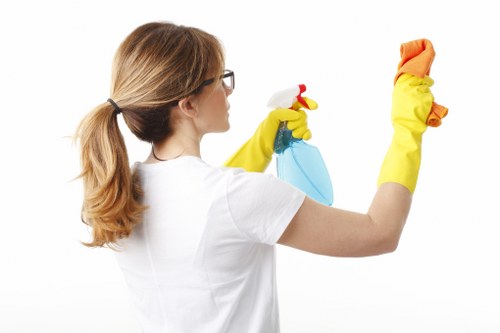
Bathrooms demand a higher level of domestic cleaning because moisture creates the perfect environment for soap scum, limescale, mildew, and bacteria. Regular attention helps keep sinks, toilets, showers, bathtubs, mirrors, and tiles in better condition.
Focus first on the most frequently touched areas such as taps, flush handles, door handles, and light switches. Then move on to more visible surfaces like mirrors, basins, and shower screens. A consistent bathroom cleaning routine prevents unpleasant smells and helps the room feel fresher all the time.
Good ventilation also supports domestic cleaning. If possible, open a window after showering or use an extractor fan to reduce humidity. Lower moisture levels help slow down mould growth and keep the bathroom cleaner for longer.
Bathroom cleaning checklist
- Clean and disinfect the toilet inside and out
- Remove soap residue from sinks and tubs
- Wipe mirrors and glass for a streak-free finish
- Scrub grout and tiles to reduce mould build-up
- Replace towels and clean bath mats regularly
Remember: a little bathroom domestic cleaning done frequently is far easier than allowing grime to build up over several weeks.
Living Room Domestic Cleaning: Comfort Meets Presentation
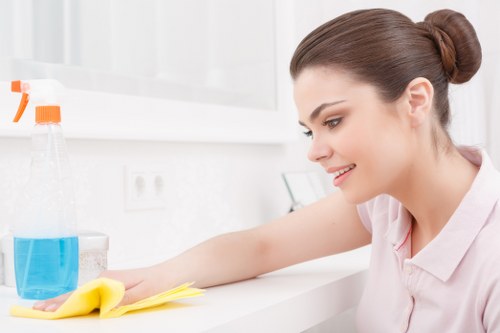
The living room often reflects the overall feel of a home, which is why domestic cleaning in this area matters so much. This is where people relax, entertain guests, and spend quality time together. Dust, fingerprints, crumbs, and pet hair can quickly affect the look and comfort of the space.
Start by dusting shelves, tables, picture frames, electronics, and skirting boards. Vacuum carpets and rugs carefully, paying attention to corners and under furniture where debris often collects. If your living room includes upholstery, regular vacuuming and fabric care help maintain appearance and freshness.
Domestic cleaning in the living room should also include decluttering. Items left on sofas, coffee tables, and sideboards can make the room feel crowded even when it is not dirty. Keeping surfaces clear creates a more open, inviting atmosphere and makes dusting much simpler.
Ways to maintain a tidy living room
- Put items back in place after use
- Vacuum fabric furniture and under cushions
- Dust entertainment units and electronic screens
- Refresh cushions, throws, and soft furnishings
- Clear clutter from coffee tables and shelves
Bedroom Domestic Cleaning for Better Rest
The bedroom should feel calm, restful, and clean. Domestic cleaning in this space supports better sleep and helps reduce allergens like dust and pet dander that often collect on bedding, carpets, and furniture. Because people spend so many hours in the bedroom, it is worth giving this room regular attention.
Change bedding frequently, vacuum floors, and dust hidden areas like bedside tables, lamp bases, and the tops of wardrobes. Under-bed spaces are especially important because they often gather dust and clutter without notice. A clean bedroom can make it easier to relax at night and wake up feeling refreshed.
Many people overlook wardrobe organisation as part of domestic cleaning, but it makes a real difference. Clothes that are folded neatly, stored properly, and rotated seasonally help the room feel tidy and prevent overfilled storage areas. A more organised bedroom usually feels cleaner, too.
Bedroom cleaning habits that help
- Wash sheets, pillowcases, and duvet covers regularly
- Vacuum carpets or sweep hard floors thoroughly
- Dust shelves, lamps, and window ledges
- Rotate and air bedding when possible
- Keep bedside areas clear of unnecessary items
Best practice: combine bedroom domestic cleaning with decluttering so your space remains both clean and calming.
Choosing the Right Products and Tools for Domestic Cleaning
Effective domestic cleaning depends on using the right tools for the job. While many products are available, a reliable collection of basics is usually enough for most homes. Microfibre cloths, a vacuum cleaner, a mop, a bucket, sponges, brushes, and a selection of cleaning sprays can cover most routine tasks.
Choosing products carefully matters because different surfaces need different treatment. What works on tiles may not suit wood, and an all-purpose cleaner may not be strong enough for limescale or grease. Reading labels and following instructions helps protect your home while ensuring better results.
For eco-conscious households, there are many lower-impact options available for domestic cleaning. Concentrated products, refill solutions, and reusable cloths can help reduce waste. However, the most important thing is to choose products that are safe, effective, and suitable for the surfaces you clean most often.
Useful domestic cleaning tools
- Microfibre cloths for dusting and polishing
- Vacuum cleaner with attachments for corners and upholstery
- Flat mop or spray mop for hard floors
- Soft scrub brushes for grout and stubborn marks
- Rubber gloves for protection and hygiene
How Domestic Cleaning Saves Time in the Long Run
It may seem strange, but regular domestic cleaning actually saves time. When you clean a little every day or week, tasks stay manageable and you avoid large, exhausting clean-up sessions. This prevents mess from becoming overwhelming and makes home maintenance far easier.
For example, wiping a spill immediately takes less time than scrubbing a dried stain later. Cleaning the shower after use reduces the chance of heavy limescale build-up. Vacuuming regularly prevents debris from being pushed deep into carpets, which can be harder to remove over time.
Time-saving domestic cleaning is really about prevention. When you stay on top of routine tasks, your home remains cleaner with less effort. This is one of the biggest reasons people commit to structured cleaning habits: the long-term reward is a more pleasant home with less stress.
Smart time-saving habits
- Clean as you go while cooking
- Set a short timer for daily tidying
- Keep cleaning supplies in key areas
- Focus on one room at a time
- Use a weekly checklist to stay organised
Domestic Cleaning and Indoor Air Quality
Many people do not realise how strongly domestic cleaning affects indoor air quality. Dust, pet hair, pollen, and tiny particles build up on surfaces and in fabrics over time. When disturbed, they can circulate through the home and contribute to discomfort, especially for people with allergies or asthma.
Regular vacuuming, dusting, and laundering help reduce these particles. Pay extra attention to curtains, carpets, soft furnishings, and vents because they often collect dust without being noticed. Domestic cleaning that targets these areas can make breathing easier and help the home feel fresher overall.
Air quality is also influenced by moisture and odours. Proper bathroom cleaning, ventilation, and bin management all contribute to a healthier indoor environment. A clean home is not just visually appealing; it also supports the comfort of everyone living there.
Air-quality-friendly domestic cleaning tips
- Vacuum regularly with a suitable filter
- Dust surfaces with a damp or microfibre cloth
- Wash soft furnishings and bedding often
- Ventilate rooms whenever possible
- Avoid letting damp areas stay wet for too long
When to Consider Professional Domestic Cleaning
Sometimes domestic cleaning becomes too much to manage alone, especially during busy periods, after a move, or when household responsibilities are already demanding. In these situations, professional domestic cleaning can be a practical solution. It can help you regain control of the home without sacrificing your time or energy.
Professional support is particularly useful for deep cleaning, end-of-tenancy cleaning, post-renovation cleaning, or one-off refreshes before special occasions. It can also be beneficial for larger homes, family properties, or households with pets that need more frequent attention.
Choosing professional domestic cleaning does not mean you are unable to keep your home tidy. It simply means you value your time and want the job done efficiently. Many households use professional services alongside regular home routines to maintain a consistently clean environment.
Situations where professional help may be useful
- After illness, travel, or a busy work period
- Before moving in or after moving out
- When a deep clean is needed
- After building or decorating work
- When routine tasks are becoming too difficult to manage
CTA: If your home needs a fresh start, book your service now and enjoy a cleaner, easier-to-manage space.
Making Domestic Cleaning Easier for Busy Families
Family life can make domestic cleaning feel like a never-ending task, but simple systems can make a huge difference. When everyone contributes, the responsibility becomes lighter and the home stays cleaner between major cleaning sessions. Even young children can help with age-appropriate chores.
Set realistic expectations and divide responsibilities in a way that suits your household. A family cleaning schedule can include small jobs such as tidying toys, wiping tables, sorting laundry, and putting away shoes. The goal is not perfection; it is teamwork and consistency.
Domestic cleaning also becomes easier when storage is practical. Baskets, shelves, labelled containers, and easy-to-reach storage make it simpler to return items to their place. The less clutter you have, the easier the whole house is to clean.
Family-friendly cleaning ideas
- Assign one simple task to each person
- Use baskets for quick room resets
- Create a ten-minute tidy-up routine
- Store frequently used items in accessible places
- Reward consistency with small family routines
Final Thoughts on Domestic Cleaning
Domestic cleaning is a vital part of keeping a house comfortable, healthy, and attractive. It supports hygiene, protects surfaces, improves air quality, and creates a calmer living environment. Whether you manage cleaning yourself or combine it with professional support, a regular routine makes home life easier and more enjoyable.
By focusing on high-use areas, using the right tools, and staying consistent, you can maintain a home that feels fresh all year round. Domestic cleaning does not need to be overwhelming; with the right habits, it becomes a simple and effective part of everyday life.
Take the next step toward a cleaner home today. Contact us today or book your service now to make domestic cleaning easier, more efficient, and more rewarding.