Office Cleaning in Modern Workspaces: Creating Healthier, More Productive Environments
Office cleaning plays a far bigger role in business success than many people realize. A clean workplace does more than look good; it supports employee health, improves morale, leaves a strong impression on visitors, and helps daily operations run smoothly. Whether you manage a small startup, a busy corporate floor, a shared workspace, or a professional service office, investing in office cleaning is one of the smartest decisions you can make for the long term.
Today’s workplaces are more demanding than ever. Employees bring personal devices, clients come and go throughout the day, and high-touch surfaces are used constantly. Without consistent office cleaning, dust, clutter, and germs can quickly build up. That can affect productivity, increase sick days, and make a business appear less professional. A well-maintained office signals care, organization, and respect for everyone who enters the space.
In this article, we’ll explore why office cleaning matters, what a strong cleaning routine should include, how often different areas should be cleaned, and what businesses should look for when choosing the right cleaning approach. If you want a workplace that feels fresh, efficient, and welcoming, the right cleaning plan is essential. Book your service now or take the first step toward a healthier environment by making office cleanliness a top priority.
Why Office Cleaning Matters for Every Business

Office cleaning is not just about appearance; it directly affects the way a business functions. A spotless workspace supports focus, reduces distractions, and creates an atmosphere where employees can do their best work. Dusty desks, dirty floors, and neglected restrooms can send the wrong message to staff and visitors alike. On the other hand, a clean office encourages pride in the workplace and helps reinforce professional standards.
There is also a health-related reason why office cleaning matters so much. Desks, keyboards, door handles, conference tables, and shared equipment are often touched by many people throughout the day. These areas can collect dirt and bacteria quickly. Routine cleaning and disinfection help reduce the spread of illness, which is especially important in shared offices, reception areas, and meeting rooms.
Office cleaning services also contribute to the preservation of office assets. Carpets, furniture, windows, and flooring last longer when they are maintained properly. Regular care can prevent stains, wear, and the gradual deterioration that often comes from neglect. In this sense, office cleaning is both a hygiene practice and a smart financial investment.
The Benefits of Professional Office Cleaning

Professional office cleaning offers advantages that go beyond what basic daily tidying can achieve. Trained cleaners understand how to clean efficiently, safely, and thoroughly using the right products and techniques. They know how to handle different surfaces, manage high-traffic zones, and maintain consistent standards across the entire workplace.
One major benefit is time savings. Employees should focus on their core responsibilities rather than taking on cleaning tasks that interrupt productivity. When office cleaning is handled professionally, staff can stay on task while the workplace stays in excellent condition. This improves workflow and helps everyone stay more focused during the day.
Another benefit is consistency. A professional office cleaning routine ensures that no area is overlooked, from reception desks and break rooms to restrooms and storage spaces. This level of consistency helps businesses maintain a polished image and creates a more predictable, pleasant environment for everyone who works there.
Key advantages at a glance
- Better hygiene across high-touch surfaces
- Improved productivity for employees
- More professional appearance for clients and partners
- Longer lifespan for office furnishings and fixtures
- Reduced stress in cluttered or messy workspaces
What a Complete Office Cleaning Routine Should Include
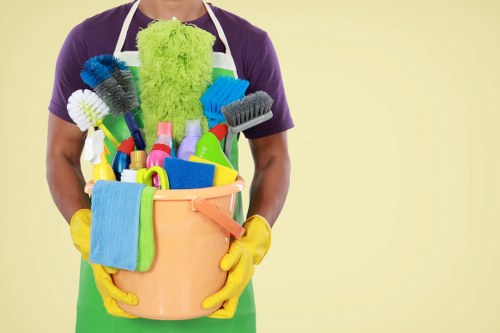
A strong office cleaning plan covers more than vacuuming floors and emptying bins. It should include detailed attention to the areas people use most often, along with less visible zones that still affect the overall cleanliness of the workplace. The best routines are tailored to the size of the office, the number of employees, and the nature of the work being done.
Common tasks in office cleaning include dusting desks, wiping down surfaces, disinfecting shared equipment, cleaning restrooms, sanitizing kitchens, and maintaining floors. Glass doors, windows, and partitions may also need regular care to keep the workspace looking bright and professional. Even small details, such as cleaning light switches and chair arms, can make a noticeable difference.
To maintain a strong standard, it helps to divide office cleaning into daily, weekly, and monthly tasks. Daily jobs address immediate hygiene and presentation needs. Weekly jobs deal with deeper cleaning responsibilities. Monthly tasks focus on maintenance and preventive care. This structure makes office cleaning more manageable and effective over time.
Daily office cleaning tasks
- Empty bins and replace liners
- Wipe and disinfect desks and shared surfaces
- Clean reception and waiting areas
- Sanitize kitchen counters and sinks
- Vacuum or sweep floors in high-traffic areas
Weekly office cleaning tasks
- Deep clean restrooms
- Dust blinds, vents, and shelving
- Clean interior glass and partitions
- Wash floors and spot-clean carpets
- Refresh break rooms and appliance areas
High-Touch Areas That Need Extra Attention

Some parts of the workplace require more frequent office cleaning than others because they are touched constantly throughout the day. These high-touch areas are among the most important places to disinfect regularly, especially in offices with many employees, clients, or visitors coming through the space.
Door handles, elevator buttons, photocopiers, printer panels, light switches, shared keyboards, and conference room tables can all become contamination points if neglected. Office cleaning should focus heavily on these surfaces because they are used repeatedly and can contribute to the spread of germs if not cleaned properly.
Reception desks and waiting areas are also critical. These spaces form the first impression for visitors, so they must look clean and organized at all times. In many cases, office cleaning teams give special attention to these areas before the workday begins and again after peak traffic periods to keep the front of house presentable.
Examples of high-touch office zones
- Reception counters and visitor seating
- Door handles and push plates
- Shared printers and office machines
- Kitchen taps, microwaves, and refrigerator handles
- Conference room furniture and presentation tools
How Office Cleaning Improves Productivity and Morale
A clean office can have a surprising impact on how employees feel and perform. When people walk into a tidy workplace, they often feel more relaxed, more organized, and more ready to focus. Clutter and dirt can create a mental burden, even if people do not consciously notice it. Good office cleaning helps remove those distractions and supports clearer thinking.
Morale also improves when employees see that the business values their comfort and well-being. A clean break room, fresh-smelling restrooms, and well-maintained desks all show that the environment matters. That sense of care can improve workplace culture and encourage employees to take better care of shared spaces too. In that way, office cleaning becomes part of a larger positive routine.
Productivity benefits follow naturally. Staff spend less time dealing with mess, hunting for supplies, or working around dirty surfaces. Meetings feel more professional, clients feel more confident, and employees can concentrate on their tasks. For many businesses, consistent office cleaning is one of the simplest ways to support better performance without changing operations dramatically.
Ways cleanliness supports work performance
- Reduces visual distractions
- Improves employee comfort
- Creates a more focused atmosphere
- Helps teams stay organized
- Makes meetings and client interactions feel polished
Choosing the Right Office Cleaning Approach
Not every workplace needs the same office cleaning routine. A small professional office with limited foot traffic will have different needs from a large commercial suite with many employees and visitors. The right approach depends on layout, usage patterns, compliance needs, and the type of business operating in the space.
Some companies may prefer in-house cleaning, while others benefit more from outsourcing to a dedicated provider. Both options can work, but outsourced office cleaning often provides greater flexibility, specialized equipment, and trained staff who can handle a wide range of tasks efficiently. For many businesses, it is a practical way to maintain high standards without stretching internal resources.
When evaluating an office cleaning arrangement, look for reliability, clear task lists, and the ability to adjust schedules as the office evolves. A good system should be easy to manage and should keep the workplace consistently clean without interrupting daily operations. Contact us today if you are ready to create a healthier and more professional work environment.
Questions to ask before choosing a service
- What tasks are included in the cleaning schedule?
- How often are high-touch areas disinfected?
- Can the schedule be adjusted for business hours?
- Are eco-friendly products available?
- How is quality checked over time?
Eco-Friendly Office Cleaning and Modern Workplace Expectations
Many businesses today want office cleaning that supports sustainability as well as hygiene. Eco-friendly cleaning products and methods are increasingly popular because they reduce exposure to harsh chemicals and can support a healthier indoor environment. This matters in offices where people spend many hours each day breathing the air and using shared surfaces.
Green office cleaning may include biodegradable products, microfiber cloths, reduced water waste, and efficient cleaning processes that minimize environmental impact. These choices can be especially valuable in offices with sensitive employees, pets, or frequent visitors. They also align well with broader corporate sustainability goals.
Choosing environmentally responsible office cleaning does not mean sacrificing quality. In fact, modern green products and techniques can provide excellent results when used correctly. Businesses that prioritize sustainable practices often find that this approach supports their brand image while maintaining a healthy and attractive workplace.
Benefits of eco-friendly cleaning methods
- Lower chemical exposure
- Better indoor air quality
- Reduced environmental impact
- Support for sustainability initiatives
- Professional results with modern products
Office Cleaning for Different Types of Workspaces
Office cleaning is not one-size-fits-all. Different environments require different methods, frequencies, and priorities. A legal office, for example, may need an immaculate reception area and spotless meeting rooms, while a creative agency might need flexible cleaning around collaborative workspaces and shared lounges. The more customized the office cleaning plan, the more effective it tends to be.
Shared offices and coworking spaces often require very frequent cleaning because traffic is high and multiple businesses use the same amenities. Medical offices and regulated environments may need stronger sanitation protocols and strict attention to compliance. Professional services firms may prioritize presentation, quiet cleaning schedules, and privacy-conscious practices. Every setting benefits from a plan that matches how the space is actually used.
By tailoring office cleaning to the workplace type, businesses can avoid wasted effort and focus resources where they matter most. The result is a cleaner office, better efficiency, and a more appropriate service level for the people who use the space every day.
Common workspace needs
- Corporate offices: reception, meeting rooms, desks, restrooms, break areas
- Shared offices: communal kitchens, desks, touchpoints, lounges
- Small businesses: flexible scheduling and cost-effective maintenance
- Professional practices: polished presentation and privacy-aware cleaning
Creating a Sustainable Office Cleaning Schedule
A lasting office cleaning system depends on consistency. Instead of waiting for messes to become obvious, the best businesses use a structured schedule that keeps the office in good condition all week long. This proactive approach prevents buildup, reduces maintenance issues, and helps employees enjoy a consistently pleasant environment.
One effective way to build a schedule is to identify which tasks must happen daily and which can be handled less often. For example, bins, restrooms, and kitchen surfaces often need daily cleaning, while carpets, windows, and storage areas may need weekly or monthly attention. Separating duties in this way makes office cleaning feel more manageable.
It is also wise to review the schedule regularly. As teams grow, work patterns change, and office spaces evolve, cleaning needs can shift too. A schedule that worked six months ago may not be enough today. Regular review ensures office cleaning remains aligned with the business’s current needs.
Tips for maintaining consistency
- Set clear cleaning priorities for each day
- Use checklists to avoid missed tasks
- Adjust frequency based on traffic and usage
- Review the plan at regular intervals
- Keep supplies organized and accessible
Why First Impressions Depend on Office Cleaning
Clients, partners, and job candidates often judge a company long before any conversation begins. The office itself sends a message about professionalism, attention to detail, and overall standards. Clean floors, fresh restrooms, organized desks, and spotless meeting areas all help create a positive first impression.
Office cleaning is especially important in customer-facing environments. Reception areas, waiting rooms, and conference spaces should always feel welcoming. A poorly maintained workplace can undermine trust quickly, even when the business delivers excellent work. In contrast, a clean and tidy office helps reinforce the belief that the company is capable, disciplined, and reliable.
This is one of the reasons many businesses treat office cleaning as part of their brand strategy. Appearance matters, but so does the feeling the space creates. When the office looks cared for, people naturally assume the business behind it is also well managed. That can influence relationships, referrals, and long-term credibility.
For businesses that want to stand out for the right reasons, clean surroundings are not optional. They are part of the experience. If you want to elevate your workplace image, book your service now and make office cleaning an ongoing priority.
The Long-Term Value of Quality Office Cleaning
The value of office cleaning becomes even clearer over time. Businesses that maintain regular cleaning routines often enjoy fewer hygiene issues, better employee satisfaction, and lower long-term maintenance costs. Floors last longer, surfaces stay in better condition, and workspaces remain functional and attractive.
There is also value in prevention. Consistent office cleaning helps catch small issues before they become major problems. Spills, dust, stains, odors, and minor wear can all be handled early when a routine is in place. That reduces the need for expensive restorative cleaning or repairs later on.
Perhaps most importantly, quality office cleaning supports a culture of care. Employees notice when the workplace is consistently maintained. Visitors notice too. Over time, that consistent standard becomes part of the business identity. It shows that the organization pays attention to detail and understands the importance of a healthy, productive environment.
Office cleaning is not just a chore; it is a strategic investment in workplace performance, brand image, and day-to-day comfort. For businesses that want better results from their physical space, cleanliness is one of the most practical and effective places to start.
Final thoughts on maintaining a clean office
- Prioritize daily hygiene and presentation
- Give extra attention to high-touch zones
- Use a schedule that fits your workplace
- Support employees with a cleaner environment
- Keep office cleaning consistent for long-term benefits
Contact us today if you are ready to improve your workplace environment and make office cleaning a dependable part of your business routine.