End of Tenancy Cleaning: Everything Tenants and Landlords Need to Know
What End of Tenancy Cleaning Means and Why It Matters

End of tenancy cleaning is one of the most important tasks at the end of a rental agreement. Whether you are a tenant preparing to move out or a landlord expecting a property to be handed back in excellent condition, this process plays a major role in ensuring a smooth transition. It is more than a quick tidy-up; it is a detailed, room-by-room clean designed to return the property to a condition that meets rental expectations.
Many people underestimate how much effort is involved in end of tenancy cleaning. From grease in the kitchen to limescale in bathrooms and dust in hard-to-reach corners, a property can quickly lose its fresh appearance during everyday use. A proper deep clean can help protect a tenant’s deposit, support a landlord’s property standards, and reduce the risk of disputes when the final inspection takes place.
In today’s rental market, cleaning standards matter. Landlords and letting agents often expect the home to be returned in the same condition it was received, allowing for fair wear and tear. That is why professional end of tenancy cleaning services have become so popular. They offer a reliable way to achieve a high standard of cleanliness and reduce the pressure on tenants during moving day.
Why End of Tenancy Cleaning Is Different from Regular Cleaning

Regular household cleaning keeps a property presentable, but end of tenancy cleaning is much more detailed. Instead of focusing on routine tasks such as wiping surfaces or vacuuming carpets, it requires a deep clean of every visible and hidden area. This includes places people often miss during weekly cleaning, such as behind appliances, under furniture, inside cupboards, and around skirting boards.
The main difference is the level of expectation. A regular clean may leave some dust in overlooked areas, but tenancy cleaning usually needs to meet a very high standard, especially if a landlord or letting agent is inspecting the property before the return of the deposit. The cleaner the property appears, the more likely it is to pass inspection without issues.
Another important distinction is that move-out cleaning often involves tackling stubborn stains, built-up grime, and areas that have not been cleaned thoroughly for months. It can include oven degreasing, bathroom descaling, carpet refreshing, and even wall spot cleaning. This is why many tenants choose professional help rather than trying to handle the whole job alone.
Common areas that require extra attention
- Kitchen appliances and cupboards
- Bathroom tiles, taps, and grout
- Carpets, rugs, and hard floors
- Window ledges and frames
- Light switches, doors, and handles
Benefits of Professional End of Tenancy Cleaning
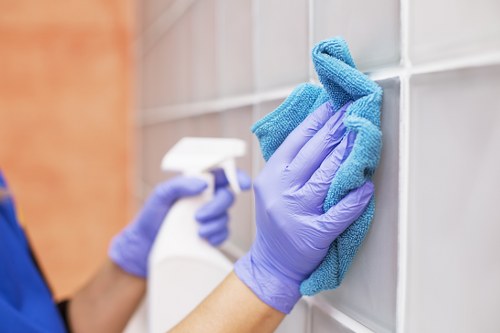
There are many reasons people choose professional end of tenancy cleaning. One of the biggest is peace of mind. Moving house is stressful enough without having to scrub every room from top to bottom. Hiring specialists allows tenants to focus on packing, removals, and settling into a new home while trained cleaners handle the detailed work.
Professional cleaners also bring experience, equipment, and specialised products. They know how to remove tough stains, eliminate odours, and clean areas that might otherwise be missed. With the right tools, they can achieve a deeper and more consistent result than a standard home clean. This can be especially useful for properties with carpets, ovens, or heavily used bathrooms.
Another major advantage is the potential to protect the deposit. For tenants, moving-out cleaning is often directly linked to getting money back from the rental deposit. A clean property reduces the chance of deductions related to dirt, neglect, or avoidable damage. For landlords, it helps present the home in a ready-to-let condition faster, which can reduce void periods between tenancies.
Key benefits at a glance
- High standard of cleanliness across the property
- Less stress during the move-out process
- Better chance of a full deposit return
- Time savings for busy tenants
- Professional equipment and effective cleaning products
What Is Usually Included in an End of Tenancy Cleaning Service?

A quality end of tenancy cleaning service generally covers every major area of the property. The exact checklist may vary depending on the provider, property size, and condition of the home, but most services are designed to provide a top-to-bottom clean that prepares the space for inspection. This helps ensure that the property looks fresh, hygienic, and well maintained.
In the kitchen, cleaners often focus on the oven, hob, extractor fan, cupboards, countertops, sinks, splashbacks, and floors. Bathrooms typically receive deep attention too, including toilets, showers, baths, tiles, mirrors, and chrome fittings. Bedrooms and living spaces may include dusting, vacuuming, wiping surfaces, and cleaning skirting boards and internal windows.
Many tenancy cleaning services also include extras such as carpet cleaning, upholstery cleaning, and appliance deep cleaning. These can be especially valuable if the property has pets, children, or heavy foot traffic. A thorough clean can transform the overall appearance of the home and make it easier for landlords to prepare for new occupants.
Typical areas covered by a professional clean
- Kitchen appliances, cabinets, and worktops
- Bathrooms, including fixtures and tiles
- Bedrooms, lounges, and hallways
- Internal windows and frames
- Floors, carpets, and skirting boards
- Light fittings, switches, and door handles
How to Prepare for End of Tenancy Cleaning
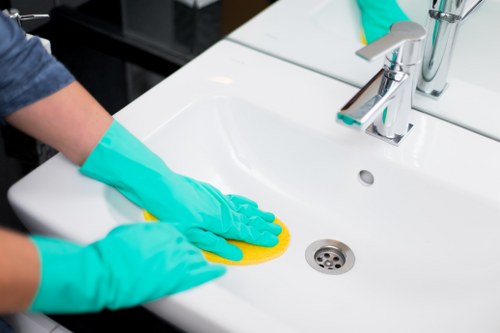
Good preparation can make end of tenancy cleaning more effective and efficient. Before the clean begins, tenants should remove all personal belongings, bags, boxes, and rubbish from the property. Cleaning around clutter is much harder, and leaving items behind can make it difficult to reach surfaces properly.
It is also wise to check the tenancy agreement or inventory report before booking any service. These documents may outline the required condition of the property at the end of the tenancy. By comparing the current state of the home with the original inventory, you can identify the areas that need the most attention and avoid surprises during the final inspection.
If you are hiring a professional move-out cleaning team, let them know about any problem areas in advance. Stains, marks, mould, limescale, or damaged surfaces may need special treatment. Clear communication helps the cleaners plan the right products and time required for the job. In some cases, a landlord may also request additional tasks such as balcony cleaning or garage cleaning.
Preparation checklist
- Remove all personal items and rubbish
- Defrost the fridge or freezer if needed
- Check the tenancy agreement for cleaning expectations
- Report stains or damage in advance
- Make sure utilities are still connected for cleaning
DIY End of Tenancy Cleaning vs Professional Cleaning
Some tenants prefer to handle end of tenancy cleaning themselves, especially if they want to save money. DIY cleaning can work well for small properties or homes that have been kept in very good condition. However, it often takes much longer than expected, and the results may not always meet the standard required by landlords or letting agents.
Professional end of tenancy cleaning offers a more dependable solution. Trained cleaners understand what landlords typically expect and know how to clean efficiently without missing important details. They can also bring specialist products and tools that are not always available in a standard household. This can be particularly helpful for ovens, carpets, limescale, and grease buildup.
The decision often comes down to time, budget, and the condition of the property. If the home has been occupied for a long time or has visible dirt and wear, a professional service is usually the safer choice. If you do choose the DIY route, be realistic about the effort involved and start early enough to avoid last-minute stress.
Pros and cons of each option
DIY cleaning
- Lower upfront cost
- Flexible timing
- Suitable for smaller, well-kept properties
- Can be time-consuming and physically demanding
Professional cleaning
- Higher standard of finish
- Less stress for the tenant
- Better for deep cleaning and stubborn dirt
- May help reduce deposit deductions
How End of Tenancy Cleaning Helps Tenants and Landlords
For tenants, end of tenancy cleaning is often the final step in leaving a property responsibly. It demonstrates respect for the home and helps avoid disputes when the deposit is reviewed. A clean property can make the handover process smoother and can leave a positive final impression, which may be useful for future references.
For landlords, a well-cleaned property is easier to re-market and can attract new tenants more quickly. Clean, fresh homes photograph better, look more appealing during viewings, and create a stronger first impression. This can reduce the time a property sits empty, which is important for maintaining rental income.
Both sides benefit from a clearer and more professional transition. When tenancy cleaning is handled properly, there is less room for disagreement about the condition of the home. That can save time, reduce stress, and keep the move-out process focused on practical matters rather than disputes over dirt or neglect.
Why Certain Areas Are Often Checked During Inspection
During a final inspection, landlords and letting agents usually focus on the areas that show the most visible signs of use. Kitchens and bathrooms are often top priorities because they can quickly collect grease, soap residue, limescale, and stains. Carpets and floors are also checked closely because they reveal dust, marks, and wear more easily than other surfaces.
End of tenancy cleaning aims to make these high-traffic spaces look as close as possible to their original condition. Even small issues such as dusty skirting boards, dirty light switches, or smudged mirrors can influence the overall impression. The goal is not perfection in the sense of a brand-new property, but a strong level of cleanliness that reflects responsible occupancy.
It is useful to understand that normal wear and tear is different from dirt. A faded carpet or slight paint ageing is not the same as a kitchen left greasy or a bathroom left with soap scum. This distinction is important because cleaning expectations should be realistic, but thorough attention still matters greatly when the property is being handed back.
Tips for Achieving Better End of Tenancy Cleaning Results
Whether you are doing the work yourself or booking a professional team, a few smart habits can improve the outcome of end of tenancy cleaning. Start as early as possible so there is enough time to clean each room properly. Leaving everything until the last day almost always leads to rushed work and overlooked details.
Use a room-by-room approach. This makes the task feel more manageable and helps ensure nothing is forgotten. Begin with the least dirty spaces and move toward the more demanding ones such as the kitchen and bathroom. If you are using cleaning products, always follow instructions carefully and give them enough time to work on stubborn grime.
Another effective tip is to clean from top to bottom. Dust and debris fall downward, so it makes sense to start with shelves, lights, and walls before moving on to floors. Also, open windows where possible to improve airflow and help the property smell fresh after the cleaning is complete.
Practical cleaning tips
- Work room by room to stay organised
- Use the right products for each surface
- Give tough stains time to soak
- Vacuum and mop after dusting
- Check corners, edges, and hidden areas
How to Make End of Tenancy Cleaning More Efficient
Efficiency matters, especially when a move is already busy and stressful. One of the best ways to improve end of tenancy cleaning is to create a clear cleaning schedule. Break the work into sections over several days instead of trying to do everything in one exhausting session. This makes the process more manageable and helps maintain energy and attention to detail.
Make sure you have the right supplies before starting. Microfibre cloths, sponges, gloves, disinfectant, descaler, glass cleaner, and vacuum attachments can all make a big difference. If a task needs specialist care, such as oven cleaning or carpet treatment, use the proper tools or consider professional help to avoid damage.
It is also helpful to keep your expectations realistic. A home used for a long time will usually need deep attention, and some marks may not disappear completely. What matters most is showing that the property has been cleaned thoroughly and maintained respectfully. That is the main purpose of move-out cleaning.
Simple time-saving strategies
- Declutter before cleaning begins
- Gather all products and tools in advance
- Set a timer for each room to stay on track
- Focus first on visible dirt and high-use zones
- Ask for help if the property is large or heavily used
Choosing the Right End of Tenancy Cleaning Service
If you decide to hire help, choosing the right end of tenancy cleaning service is important. Look for a provider that offers a clear checklist, flexible booking options, and experience with rental properties. A good service should understand the difference between standard domestic cleaning and the more detailed requirements of tenancy cleaning.
It can also help to ask what is included in the price. Some services cover only basic rooms, while others include ovens, carpets, bathrooms, and appliances as standard. Understanding what you are paying for will help you compare options and avoid unexpected charges. Quality is usually more important than choosing the cheapest option available.
Look for a company that is familiar with landlord expectations and can deliver a detailed, consistent result. The best end of tenancy cleaning services are organised, efficient, and focused on delivering a high standard that supports a smooth check-out process. If you want a stress-free move, book your service now and give yourself one less thing to worry about.
The Final Word on End of Tenancy Cleaning
End of tenancy cleaning is not just another household chore. It is a vital part of the moving process that can affect deposits, landlord relationships, and the overall condition in which a property is returned. When done properly, it helps tenants leave responsibly and gives landlords a clean, presentable space ready for the next occupant.
Whether you choose to clean yourself or hire professionals, the key is to be thorough, organised, and realistic about the job. Every room deserves attention, and every surface should be checked carefully. A detailed approach to tenancy cleaning can save time, reduce stress, and improve the chances of a smooth handover.
If you are planning a move, now is the perfect time to prepare. Create your checklist, gather supplies, and decide whether a professional team would make the process easier. Contact us today to arrange expert help or book your service now and take the pressure off moving day.