Mattress Cleaning in Your Home: A Practical, SEO-Friendly Approach to a Fresher Sleep Space
If you have been searching for mattress cleaning in your home, you are likely already aware that a mattress can hold far more than just comfort. Over time, it collects dust, skin flakes, sweat, oils, allergens, and sometimes odors that can affect sleep quality. A clean mattress does more than look and smell better; it helps create a healthier bedroom environment and supports better rest night after night.
Professional mattress cleaning and smart at-home maintenance are both valuable for keeping your sleep surface in top condition. Whether your mattress is stained, dusty, musty, or simply overdue for care, understanding the right cleaning methods can make a huge difference. In this article, we will explore why mattress cleaning matters, how the process works, what benefits it offers, and how to maintain freshness for the long term.
From everyday vacuuming to deep extraction and stain treatment, the best results come from a mix of regular upkeep and targeted cleaning. If you want a cleaner bedroom, fewer odors, and a more comfortable place to sleep, mattress cleaning in your home should be part of your routine. Book your service now if your mattress needs urgent attention, or use the tips below to keep it in great condition between professional visits.
Why Mattress Cleaning Matters for Every Home

Your mattress may look clean on the surface, but the inside layers can tell a different story. Every night, the body sheds tiny skin cells and produces moisture, while fabrics absorb sweat, oils, and environmental particles. Without proper mattress cleaning, these substances accumulate and can create an environment where dust mites, bacteria, and odors thrive.
A neglected mattress can also impact sleep comfort. If you have ever noticed a stale smell, a persistent stain, or a dusty feeling when changing sheets, those are signs that the mattress needs attention. Regular mattress cleaning in residential spaces helps reduce allergens and supports a more pleasant sleep experience.
There are several reasons homeowners prioritize mattress care:
- Reduce dust buildup and trapped debris
- Minimize allergens and irritants
- Remove odors caused by sweat or spills
- Improve the overall look and feel of the bed
- Extend the usable life of the mattress
Signs Your Mattress Needs Cleaning

Not every mattress shows obvious stains, but there are subtle signs that indicate it is time for a deep clean. Paying attention to these clues can help you address problems early before they become harder to treat. If your sleep surface has started to feel less fresh, the issue may not be with the bed frame or sheets alone.
Common signs that mattress cleaning is needed include visible staining, lingering odors, and increased allergy symptoms at night. You might also notice that the bed feels less comfortable or that dust returns quickly after cleaning the room. These are all good reasons to schedule mattress cleaning or perform a thorough at-home treatment.
Look for the following warning signs:
- Yellow or dark spots from sweat or spills
- Musty, sour, or stale odors
- Increased sneezing or congestion while in bed
- Visible dust when lifting bedding
- Faint dampness after sleeping
- Pet hair or dander trapped in the fabric
How Mattress Cleaning Works
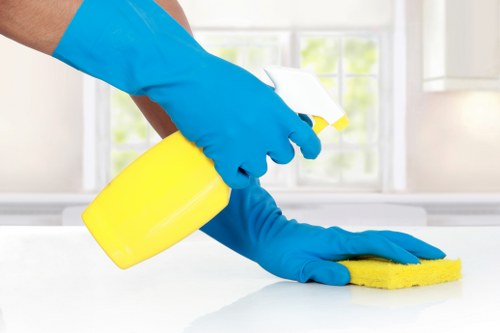
Professional mattress cleaning typically follows a step-by-step process designed to remove dirt without damaging the mattress materials. The exact methods can vary depending on whether the mattress is memory foam, innerspring, hybrid, or latex, but the core principles are similar. A careful approach helps protect the structure while improving hygiene.
Most mattress cleaning services start with a detailed inspection. This helps identify stains, odor sources, material type, and any areas that require special care. From there, technicians may use vacuum extraction, gentle agitation, spot treatment, and controlled drying to lift debris and refresh the surface.
The typical process may include:
- Initial inspection and assessment
- Vacuuming to remove dust and loose debris
- Pre-treatment for stains and problem spots
- Deep cleaning or extraction depending on fabric type
- Deodorizing to neutralize smells
- Drying to reduce moisture and prevent mildew
Why the right method matters
Using the wrong cleaner or too much water can cause damage, discoloration, or lingering dampness. That is why mattress cleaning should be done with care, especially for delicate foams and specialty fabrics. A well-executed cleaning process restores freshness while preserving the mattress for longer use.
Benefits of Professional Mattress Cleaning
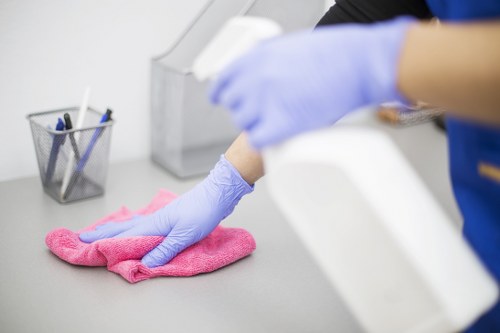
While regular home care is important, professional mattress cleaning can deliver a deeper level of cleanliness. This is especially useful if the mattress has not been cleaned in a long time, has stubborn stains, or is causing odor and allergy concerns. Professional equipment can reach deeper into the layers than basic household tools.
One major benefit is improved sleep hygiene. A cleaner mattress means fewer contaminants near your face and skin for hours each night. Another important benefit is odor reduction. Strong smells from perspiration, pets, or spills can linger in the fibers, and professional mattress cleaning in your home can help neutralize them more effectively.
Additional benefits include:
- Better indoor air quality in the bedroom
- Lower exposure to allergens and dust mites
- Removal of surface and embedded stains
- Improved mattress appearance
- Longer mattress lifespan with proper maintenance
Who benefits most?
Households with children, pets, allergy sufferers, or frequent spills often benefit most from regular mattress cleaning. Even if the bed looks fine, hidden buildup can still affect comfort and cleanliness. A scheduled cleaning plan can help keep the sleeping environment healthier year-round.
At-Home Mattress Cleaning Tips That Actually Help

You do not always need a major service visit to keep a mattress fresh. Simple home maintenance can make a big difference between professional cleanings. The key is consistency. Small habits, when done regularly, help prevent buildup and preserve the mattress condition.
Start by stripping the bed and washing sheets, pillowcases, and mattress protectors weekly. Then vacuum the mattress surface using a brush attachment to remove dust and debris. If you spot stains, treat them as soon as possible with a suitable cleaner recommended for the mattress material. Allow the mattress to dry fully before replacing bedding.
Useful at-home maintenance steps include:
- Vacuum the mattress every one to two months
- Rotate the mattress when recommended by the manufacturer
- Use a waterproof mattress protector
- Air out the bedroom regularly
- Treat spills immediately to reduce staining
What to avoid
Avoid soaking the mattress with too much liquid, using harsh bleach-based products, or scrubbing aggressively. These can damage fibers, leave behind residue, or create moisture problems. Safe mattress cleaning is about controlled treatment, not heavy saturation.
Common Mattress Stains and How They Are Treated
Different stains require different approaches, and understanding the source helps you choose the right cleaning method. Sweat stains, food spills, urine, blood, and general discoloration all need attention in their own way. The longer a stain sits, the harder it becomes to remove.
Mattress cleaning for stains usually begins with blotting rather than rubbing. This prevents the stain from spreading deeper into the fabric. A suitable cleaning solution is then applied carefully, followed by blotting and drying. For set-in stains, professional treatment may be the best option because it can address the problem more effectively without harming the material.
Here is a quick overview of common stain types:
- Sweat stains: Often yellowish and linked to body oils and moisture
- Food and drink spills: May leave color and odor behind
- Urine stains: Require odor neutralization and moisture control
- Blood stains: Need prompt treatment with suitable stain methods
- General grime: Often caused by dust, fabric wear, and buildup over time
Tip for faster results
The faster you treat a stain, the better the outcome. Prompt action can reduce the chance of permanent marks and odors. If a spill is large or has soaked deep into the mattress, professional mattress cleaning is often the safest and most effective solution.
Mattress Cleaning for Allergy Relief
If you wake up congested, sneeze at night, or notice your allergies worsen in the bedroom, the mattress may be contributing to the problem. Dust mites and allergens can build up in bedding and upholstery, and mattresses are one of the main places they accumulate. Deep mattress cleaning helps reduce these triggers.
For allergy-sensitive households, a regular cleaning routine is especially important. Combined with mattress protectors, frequent bedding washes, and good ventilation, mattress cleaning can make the sleeping area more comfortable. This is not a cure for allergies, but it can reduce exposure to common irritants and improve nighttime comfort.
Best practices for allergy-focused care include:
- Vacuum the mattress regularly using a HEPA-filter vacuum if possible
- Wash bedding in hot water when fabric care labels allow
- Use hypoallergenic mattress covers
- Keep pets off the bed if allergens are a concern
- Schedule periodic deep mattress cleaning
Why this matters in every season
Allergen buildup is not limited to spring. Dust, humidity, and indoor air circulation can affect the mattress throughout the year. Regular mattress cleaning in your home helps maintain a more stable and comfortable sleep environment.
How Often Should You Clean a Mattress?
The right cleaning frequency depends on usage, household habits, and the condition of the mattress. A guest room may need less frequent care than a master bedroom used every night. Homes with children, pets, or allergy concerns often need a more active mattress maintenance schedule.
As a general rule, vacuuming and light care should be performed every one to two months, while deeper mattress cleaning may be needed one to two times per year. If there is a spill, pet accident, or odor issue, immediate attention is best. Regular upkeep prevents dirt from settling in and makes deep cleaning easier later.
Consider the following schedule:
- Weekly: Wash bedding and inspect the mattress surface
- Monthly: Air out the mattress and vacuum lightly
- Every 3 to 6 months: Perform more detailed cleaning and spot treatment
- Annually: Arrange professional mattress cleaning if needed
Choosing the Right Mattress Cleaning Approach
Not all mattresses respond the same way to cleaning. Memory foam, latex, pillow-top, and hybrid models each have different tolerances for moisture and agitation. That is why choosing the correct cleaning approach is essential. What works for a traditional spring mattress may not be ideal for foam layers or delicate fabric surfaces.
Before cleaning, check the care instructions from the manufacturer. Some mattresses can tolerate light wet cleaning, while others require only surface treatment and extraction. If you are unsure, or if the mattress has expensive materials, professional mattress cleaning is often the safest choice.
When selecting a method, keep these factors in mind:
- Mattress type and construction
- Age and condition of the mattress
- Severity of stains or odors
- Whether moisture-sensitive materials are present
- Any allergy or hygiene concerns in the home
A smart rule to follow
When in doubt, use the least aggressive method that can still achieve a clean result. Gentle, well-planned mattress cleaning protects both the comfort and structure of the bed.
Mattress Protectors and Prevention
One of the easiest ways to reduce cleaning demands is to prevent contamination in the first place. A quality mattress protector adds a practical barrier against sweat, spills, dust, and everyday wear. This small addition can significantly reduce how often the mattress needs intensive care.
Protectors are especially helpful in homes with children, pets, or frequent nighttime sweating. They can also help preserve warranty conditions for some mattresses. Even with a protector, regular mattress cleaning is still important, but the protector makes maintenance much easier and can extend the life of the mattress.
Prevention tips that work well include:
- Use a waterproof yet breathable mattress protector
- Wash the protector regularly
- Avoid eating and drinking in bed when possible
- Address spills immediately
- Keep the room ventilated to reduce moisture buildup
Simple habit, big payoff
Prevention reduces the risk of deep stains and odors, making mattress cleaning easier, faster, and less expensive over time.
Why Mattress Cleaning Improves Sleep Quality
Sleep is affected by many factors, and cleanliness is one of the most overlooked. A mattress that smells fresh, feels comfortable, and is free from visible buildup contributes to a more relaxing sleep space. When the bed is cleaner, it is easier to settle in and rest without distraction.
Clean bedding and mattress surfaces can also reduce the sense of stuffiness that often comes with trapped dust and odors. While mattress cleaning does not replace good sleep habits, it supports them. A fresher bed often feels more inviting, which can help set the tone for better sleep routines.
People often notice improvements such as:
- Less odor when getting into bed
- Reduced dust and debris on sheets
- Greater comfort and freshness
- Fewer nighttime allergy triggers
- A more pleasant bedroom atmosphere
When to Call for Professional Help
Sometimes DIY cleaning is not enough. Deep stains, recurring smells, mold concerns, and sensitive mattress materials may require professional attention. If your attempts at cleaning do not remove the issue, continuing to experiment can make it worse.
Professional mattress cleaning in your home is especially useful if you want a thorough result without risking damage. Experts can identify the right methods for the material and use equipment designed to extract dirt and moisture efficiently. This is often the best route for old mattresses, odor-heavy situations, or households that need a more hygienic sleep environment.
Consider professional support if you notice:
- Persistent odors after home cleaning
- Deep or large stains
- Signs of moisture damage or mildew
- Frequent allergy symptoms near the bed
- A mattress that has not been cleaned in years
Contact us today if your mattress needs a fresh start, and book your service now to restore comfort, cleanliness, and peace of mind.
Final Thoughts on Mattress Cleaning in the Home
Mattress cleaning is one of those household tasks that makes a bigger difference than many people expect. It supports better sleep, reduces allergens, removes odors, and helps preserve an important part of the home. With regular maintenance and the right cleaning approach, your mattress can stay fresher, cleaner, and more comfortable for years.
Whether you handle basic care yourself or rely on a professional service for deeper results, the goal is the same: create a healthier and more inviting place to sleep. A clean mattress contributes to a cleaner bedroom overall, and that can have a positive effect on both rest and daily well-being.
If your bed is overdue for attention, now is the perfect time to act. Start with simple maintenance, stay consistent, and choose professional mattress cleaning when deeper care is needed. A cleaner mattress means a cleaner night’s sleep, and that is a benefit worth prioritizing.