Deep Cleaning in Modern Homes: A Practical Approach to a Fresher, Healthier Space
Deep cleaning in any home is more than a once-over with a vacuum or a quick wipe of surfaces. It is the process of reaching the hidden dirt, built-up grime, allergens, and bacteria that regular cleaning often misses. Whether you live in a compact apartment, a large family house, or a busy shared space, deep cleaning can dramatically improve comfort, hygiene, and the overall appearance of your environment.
Many people search for deep cleaning in hopes of finding a solution that restores freshness, removes stubborn stains, and creates a healthier indoor atmosphere. The truth is that deep cleaning is not just about appearance. It supports better air quality, helps maintain surfaces, reduces allergens, and can even extend the life of furniture, floors, and appliances. For households and businesses alike, it is a smart investment in cleanliness and peace of mind.
In this article, we will explore what deep cleaning involves, why it matters, how it differs from routine cleaning, and which areas deserve special attention. You will also find practical tips, useful checklists, and strategies for keeping your property cleaner for longer. If you are considering deep cleaning in your home or workspace, this article will help you understand the process and make informed decisions.
What Deep Cleaning in a Home Really Means
When people hear the phrase deep cleaning in a home, they often imagine a more intense version of standard cleaning. That is partly true, but the difference goes deeper than effort. Deep cleaning targets areas that are usually overlooked during everyday tidying. It focuses on buildup, hidden dust, grease, soap residue, limescale, and germs that accumulate over time.
A regular clean may involve wiping counters, sweeping floors, and quickly dusting visible surfaces. A deep clean goes beyond that. It may include scrubbing grout, cleaning behind appliances, washing baseboards, degreasing kitchen fixtures, sanitizing bathroom corners, and removing dust from vents and high-touch areas. It is a detailed, methodical process designed to refresh the whole property.
Deep cleaning in homes is especially valuable after seasonal changes, moving in or out, post-renovation work, illness, or simply when the space has become harder to maintain. In many cases, people notice a major difference in both the look and feel of the property after a proper deep clean.
Why Deep Cleaning Matters for Every Household

There are several reasons why deep cleaning in a home is worth prioritizing. First, it helps remove allergens such as dust mites, pet dander, mold spores, and pollen that can build up in carpets, upholstery, and hidden corners. For people with asthma or allergies, this can make a noticeable difference in day-to-day comfort.
Second, deep cleaning supports better hygiene. Kitchens and bathrooms, in particular, can harbor bacteria and germs in places that are not visible at a glance. Regular cleaning helps, but deep cleaning provides the level of sanitization needed to reduce contamination risks.
Third, it protects your investment. Floors, tiles, countertops, cabinets, and appliances last longer when they are cared for properly. Dirt and grime can cause wear, discoloration, and damage over time. A consistent deep cleaning routine can save money in the long run by preserving materials and finishes.
Key benefits of deep cleaning
- Improves indoor hygiene and freshness
- Helps reduce allergens and dust buildup
- Supports healthier air quality
- Protects surfaces from long-term damage
- Makes regular cleaning easier afterward
- Enhances comfort and visual appeal
Areas That Need the Most Attention During Deep Cleaning in
Every property has certain places that collect dirt faster than others. When planning deep cleaning in your home, it helps to focus on the areas that are most likely to be neglected. These are usually the spots that need patience, detail, and the right cleaning products.
Kitchen areas are often at the top of the list. Grease can build up on cabinets, stovetops, range hoods, and backsplashes. Food particles may hide under appliances or between counters and walls. Deep cleaning the kitchen means addressing these hidden spots as well as disinfecting sinks, handles, and work surfaces.
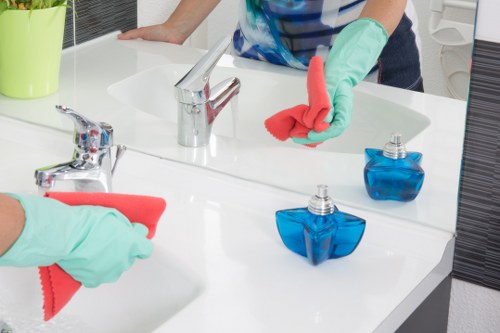
Bathrooms require similar attention. Soap scum, limescale, hard water marks, mildew, and grime can gather on tiles, shower doors, faucets, drains, and toilets. Deep cleaning in bathrooms should include scrubbing grout, polishing fixtures, and disinfecting high-touch surfaces.
Other important zones
- Behind and underneath furniture
- Baseboards, door frames, and window sills
- Air vents, ceiling fans, and light fixtures
- Carpets, rugs, and upholstery
- Inside cabinets, drawers, and closets
- Appliances such as ovens, refrigerators, and microwaves
Bedrooms and living areas also benefit from detailed care. Dust accumulates on shelves, blinds, and décor, while carpets and soft furnishings can trap odors and debris. A deep clean restores comfort and makes the entire home feel more open and inviting.
Deep Cleaning in Kitchens: A High-Impact Task
The kitchen is one of the most important rooms to focus on when doing deep cleaning in any home. Because this is where food is prepared, cleanliness directly affects safety, hygiene, and overall household wellbeing. Even if the kitchen appears tidy, grease, crumbs, and residue often remain in overlooked places.
Start with the top surfaces and work downward. Dust cabinets, wipe down walls near cooking areas, and clean range hoods to remove grease buildup. Then move to appliances. Ovens, microwaves, refrigerators, and dishwashers need careful attention. Pull appliances out when possible to remove dust, crumbs, and debris from underneath and behind them.
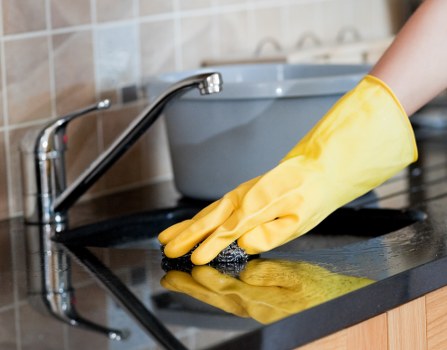
Sink areas should be scrubbed thoroughly, including taps, drains, splash zones, and the edges of countertops. Deep cleaning in the kitchen should also include sanitizing handles, switches, and other high-touch points that may spread germs. Once the kitchen is properly cleaned, it becomes much easier to maintain with a regular routine.
Bathroom Deep Cleaning for a More Hygienic Space
Bathrooms are a core part of deep cleaning in residential spaces because they are used daily and naturally exposed to moisture. Moisture creates the perfect conditions for soap residue, mold, mildew, and hard water stains. If left untreated, these issues can become difficult to remove and may affect both appearance and hygiene.
Begin by cleaning the toilet thoroughly, including around the base, behind the seat, and under the rim. Next, tackle the shower and bathtub area. Scrub tiles, grout lines, shower doors, and corners where soap scum tends to accumulate. Faucets and fixtures should be descaled and polished so they look brighter and function well.
Bathroom mirrors, shelves, cabinets, and vents should also be included. Towels, bath mats, and storage areas may collect odors and moisture, so these need freshening too. A properly executed deep cleaning in bathrooms can make a dramatic visual difference while also improving the sanitary condition of the space.
Bathroom deep cleaning checklist
- Disinfect toilet surfaces and surrounding areas
- Scrub the shower, tub, and grout
- Remove limescale from faucets and fixtures
- Clean mirrors, shelves, and cabinets
- Wipe vents, switches, and door handles
- Wash or replace bath mats and towels
Living Areas and Bedrooms: Hidden Dust and Daily Comfort
Although kitchens and bathrooms usually receive the most attention, deep cleaning in living rooms and bedrooms is just as important. These are the places where people relax, sleep, and spend long periods of time. Over time, dust, pet hair, pollen, and odors can collect in fabrics and difficult-to-reach spaces.
Soft furnishings such as sofas, curtains, rugs, and cushions can trap particles that are not obvious until the room is truly cleaned. Vacuuming these items carefully, cleaning behind furniture, and dusting all surfaces can create a cleaner, calmer environment. Deep cleaning in these rooms is especially beneficial for households with pets or small children.
Bedrooms should also include care for mattresses, headboards, under-bed areas, and closets. Rotating and vacuuming mattresses, cleaning bedside tables, and organizing storage spaces can help reduce clutter and improve sleep comfort. Living areas benefit from attention to shelves, electronics, décor, and hidden corners where dust likes to settle.
How Often Should Deep Cleaning in Be Done?
The ideal frequency for deep cleaning in a home depends on lifestyle, household size, pets, children, and overall usage. For many households, a deep clean every three to six months is a practical starting point. However, some spaces may need it more often, especially if they are heavily used or prone to dust and moisture.
Homes with pets may need more frequent attention to control fur, dander, and odors. Families with young children often benefit from regular sanitization of high-touch surfaces and play areas. In busy kitchens or shared bathrooms, a more frequent deep cleaning schedule can prevent buildup before it becomes difficult to manage.
Seasonal cleaning is another smart strategy. Many people choose spring and autumn for deep cleaning in their homes because these times naturally align with decluttering, organization, and preparation for changing weather. That said, the best schedule is the one that fits your environment and keeps the property at a healthy standard year-round.
Signs it is time for a deep clean
- Persistent odors even after regular cleaning
- Visible dust in vents, corners, or on baseboards
- Grease and grime in the kitchen
- Soap scum or mildew in the bathroom
- Allergy symptoms seem worse indoors
- Surfaces look dull or sticky
Tools and Supplies That Make Deep Cleaning in Easier
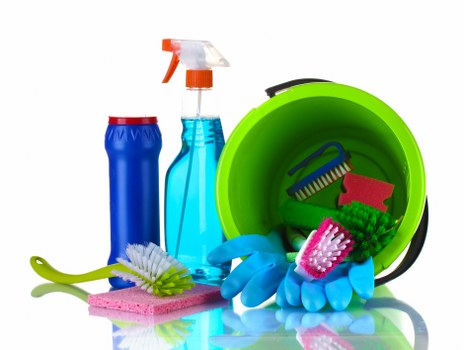
Having the right tools makes deep cleaning in any space more efficient and effective. While the exact products you need may vary depending on the surfaces in your home, there are a few essentials that usually help with most tasks.
A quality vacuum cleaner with attachments is valuable for carpets, furniture, corners, and vents. Microfiber cloths are excellent for dusting and polishing because they trap particles instead of spreading them around. A sturdy scrub brush, sponge, mop, bucket, and extension duster are also useful for reaching difficult areas.
Cleaning products should be chosen with care. Degreasers help in kitchens, descalers support bathroom care, and gentle all-purpose cleaners work well for many surfaces. Always check labels before using any product on delicate materials. If you prefer a more environmentally friendly approach, many deep cleaning in routines can incorporate plant-based cleaners and simple ingredients like vinegar or baking soda where appropriate.
Useful supplies list
- Vacuum with attachments
- Microfiber cloths
- Scrub brushes and sponges
- All-purpose cleaner
- Degreaser and descaler
- Mop and bucket
- Rubber gloves
- Extension duster
Professional Deep Cleaning in vs. DIY Cleaning
Many homeowners wonder whether they should handle deep cleaning in their property themselves or hire professionals. The answer depends on time, budget, expectations, and the size or condition of the space. Both approaches have value, and the best choice often depends on the situation.
DIY deep cleaning can be cost-effective and flexible. It allows you to focus on specific priorities and use the products you trust. However, it can also take a great deal of time and physical effort, especially if the property needs extensive work or has areas that are difficult to access.
Professional services bring experience, efficiency, and specialized tools. They are often better equipped to handle large homes, stubborn buildup, post-renovation dust, or properties that have been neglected for some time. If you want consistent results without spending an entire weekend scrubbing, professional deep cleaning in may be the right choice. Book your service now if you want to save time and enjoy a cleaner space sooner.
Deep Cleaning in for Rental Properties and Move-Ins
Rental properties and move-in situations are ideal times for deep cleaning in. Before new tenants arrive or before a family settles into a new home, a full clean helps create a fresh start. It removes traces of previous occupancy and ensures the property feels safe, comfortable, and ready to use.
For landlords and property managers, deep cleaning can improve the presentation of a rental, reduce complaints, and support better upkeep between tenants. For tenants, a move-in deep clean provides peace of mind and a cleaner foundation for daily living. It is much easier to maintain a property when it starts in excellent condition.
Move-out deep cleaning is equally useful. It helps show the property in the best possible condition, supports deposit recovery in many cases, and makes it easier for the next occupant to move in smoothly. If you are preparing a property for occupation, contact us today to discuss a suitable deep cleaning in option that fits your timeline.
Maintaining Results After Deep Cleaning in
Once you have completed deep cleaning in your space, the goal is to keep it looking fresh for as long as possible. Maintenance is much easier after a proper reset. A few simple habits can reduce buildup and help your home stay cleaner between major sessions.
Daily wiping of counters, quick vacuuming in high-traffic areas, and regular dishwashing can prevent dirt from accumulating. Weekly tasks like mopping floors, cleaning bathrooms, and dusting surfaces help preserve the results of the deep clean. It is also helpful to address spills, stains, and messes immediately rather than letting them settle.
Decluttering matters too. The fewer unnecessary items you have on surfaces and floors, the easier it becomes to clean thoroughly. Storage solutions, baskets, labels, and simple organization systems can all support a cleaner environment. In this way, deep cleaning in your home becomes part of a larger, more sustainable cleaning routine.
Simple maintenance habits
- Wipe spills as soon as they happen
- Do light dusting every few days
- Vacuum or sweep high-traffic areas regularly
- Keep kitchen and bathroom surfaces dry
- Air out rooms to reduce odors and moisture
- Declutter surfaces to simplify cleaning
Choosing the Right Approach for Your Space
Not every property needs the same kind of deep cleaning in treatment. A studio apartment, for example, may require a focused plan that prioritizes kitchen and bathroom areas, while a family home might need more attention across multiple rooms. Commercial spaces, meanwhile, often need schedules based on traffic, use, and industry standards.
The right approach starts with assessing the condition of the property. Look for visible buildup, neglected areas, and signs of wear. Then decide whether you want to handle the work yourself or bring in professionals. Some people prefer a mix of both: routine upkeep at home and periodic expert cleaning for tougher tasks.
No matter the setting, the purpose remains the same: restore cleanliness, improve hygiene, and create a more enjoyable environment. When done well, deep cleaning in a space can change how it feels to live or work there. It can make rooms look brighter, smell fresher, and feel more welcoming overall.
Final Thoughts on Deep Cleaning in
Deep cleaning in any property is one of the most effective ways to improve cleanliness, comfort, and long-term maintenance. It goes beyond surface tidying and reaches the hidden layers of dirt and buildup that routine cleaning often misses. From kitchens and bathrooms to bedrooms and living spaces, every area benefits from detailed attention.
Whether you are preparing for a new season, moving into a new place, or simply trying to restore order, deep cleaning creates a noticeable transformation. It helps support healthier living, better air quality, and a more organized home environment. With the right tools, a solid plan, and consistent maintenance, you can keep your space looking its best.
If you are ready to refresh your home or property, contact us today and book your service now. A well-executed deep cleaning in can make all the difference between a space that merely looks clean and one that truly feels clean.