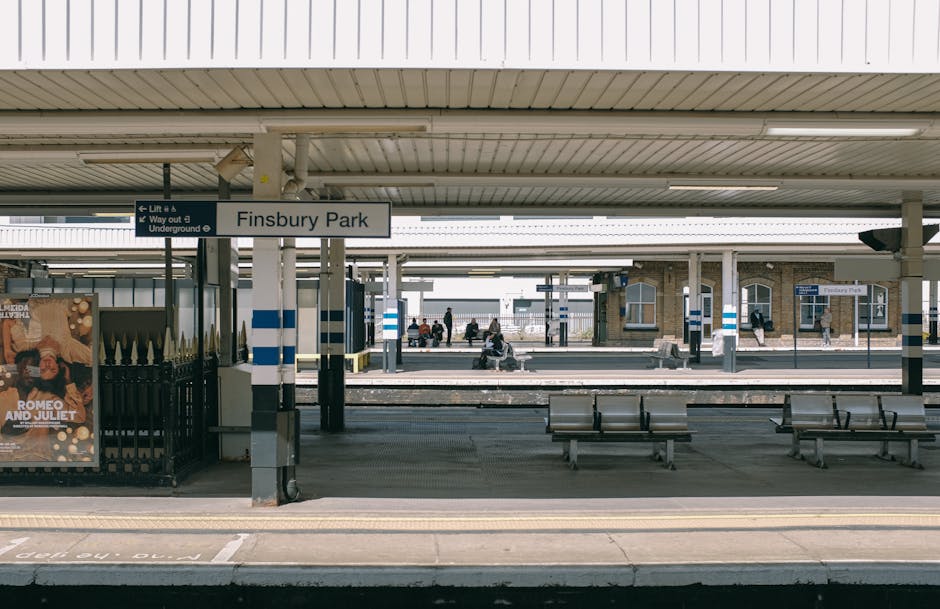
Finsbury Park cleaning guide for N4 flats Stroud Green Road
If you live in a flat near Stroud Green Road, you already know the rhythm: busy pavements, a compact home, a fair bit of dust from day-to-day life, and not always much storage for cleaning gear. This Finsbury Park cleaning guide for N4 flats Stroud Green Road is designed for exactly that kind of setting. It focuses on what actually works in smaller London flats, how to keep things under control without wasting time, and when a more thorough service makes sense.
The goal is simple. You want a home that feels fresh, tidy, and manageable, without turning every weekend into a full-scale scrubathon. Let's face it, nobody moves into a busy N4 flat because they want to spend all Sunday descaling taps. So below you'll find a practical, locally relevant guide that covers cleaning priorities, methods, pitfalls, and the best way to choose the right support for your home.
Table of Contents
- Why this cleaning guide matters for N4 flats
- How the cleaning process works
- Key benefits and practical advantages
- Who this is for and when it makes sense
- Step-by-step guidance
- Expert tips for better results
- Common mistakes to avoid
- Tools, resources and recommendations
- Law, compliance, standards, or best practice
- Options, methods, or comparison table
- Case study or real-world example
- Practical checklist
- Conclusion
- Frequently asked questions
Why Finsbury Park cleaning guide for N4 flats Stroud Green Road Matters
Flats around Stroud Green Road tend to deal with a familiar mix of challenges: limited square footage, higher footfall, street dust, cooking residue in compact kitchens, and moisture build-up in bathrooms that are often not exactly spacious. In a house, mess can spread out a bit. In a flat, it announces itself quickly. One dusty skirting board can make the whole place feel neglected.
That is why a focused cleaning approach matters. A good routine does more than make the flat look presentable. It helps protect surfaces, reduces the chance of stubborn build-up, and makes day-to-day living less stressful. If you are renting, it can also help you stay on top of landlord or inventory expectations. If you own the flat, it helps you maintain the value and comfort of the space over time.
There is also the neighbourhood factor. N4 flats near transport links, shops, and busy roads often collect grime faster than people expect. Doors get opened more often, windows stay shut on chilly days, and outdoor dirt gets tracked in. You notice it first on floors, then around handles, then on window ledges. That quiet drift is exactly what a sensible cleaning plan prevents.
Expert summary: In smaller Finsbury Park flats, the best results usually come from frequent light maintenance plus targeted deep cleaning in the areas that get hit hardest: kitchen, bathroom, floors, soft furnishings, and windows.
If you want a broader view of what a service can cover, it can help to compare your needs with domestic cleaning support or a more intensive deep clean, depending on how much work the flat needs.
How Finsbury Park cleaning guide for N4 flats Stroud Green Road Works
The easiest way to think about flat cleaning is in layers. First comes regular maintenance, then focused spot cleaning, then periodic deeper work. In practice, that means you keep the visible day-to-day clutter and dust under control, while also dealing with the things that become annoying if ignored: greasy extractor areas, shower scale, oven residue, carpet dirt, and the odd patch of neglected mould around sealant or grout.
For N4 flats, the process usually starts with a room-by-room assessment. Not everything needs the same level of attention. A hallway mat may need a shake and vacuum, while the bathroom may need descaling and disinfecting. The kitchen might need degreasing near the hob. Soft furnishings may need a refresh if they absorb cooking smells or urban dust.
If you are booking professional help, a cleaner will normally prioritise the highest-contact zones first, then move through the rest of the flat in a logical sequence. That saves time and keeps dirt from being spread around. It sounds basic, but basic is often what works. The trick is not cleaning everything harder; it is cleaning the right things in the right order.
For many homes near Stroud Green Road, a practical split looks like this:
- Weekly upkeep: dusting, vacuuming, bathroom wipe-downs, kitchen surfaces, bins, and quick floor care.
- Monthly attention: behind appliances, skirting boards, limescale-prone fittings, interior windows, and higher dust areas.
- Seasonal deep work: ovens, sofas, mattresses, carpets, rugs, and neglected corners.
If you are moving in or out, the process changes again. End-of-tenancy and move-related cleans are usually more detailed, because the aim is to reset the flat rather than just keep it liveable. A proper move-in clean or end-of-tenancy cleaning can save a lot of last-minute stress.
Key Benefits and Practical Advantages
A well-run cleaning routine does not just make a flat look nice for five minutes. The benefits stack up in ways people often notice only after the place has been neglected for a while. And, to be fair, that happens to the best of us.
- Less visible clutter and grime: surfaces stay fresher, which makes the whole flat feel calmer.
- Better hygiene: especially in kitchens and bathrooms, where bacteria and odours can become a nuisance.
- Longer life for fixtures and finishes: regular care is easier on paint, grout, taps, worktops, and flooring.
- Reduced stress: a clean flat is easier to live in, easier to work from, and easier to invite people into.
- Improved rental readiness: useful if you have inspections, viewings, or a move coming up.
- More effective deep cleans: if light cleaning happens regularly, the bigger jobs are far less painful later.
There is another benefit that gets overlooked: confidence. When your flat is clean, you stop mentally adding up all the little jobs. The room feels like a room again, not a list of unfinished tasks. That is surprisingly valuable, especially in a smaller N4 home where every corner seems to matter.
If you want a consistent schedule, regular cleaning is often the simplest way to stay ahead of mess without needing to reset the whole flat every time.
Who This Is For and When It Makes Sense
This guide is useful for a wide range of people, but it is especially relevant if you live in a compact flat near Stroud Green Road and want a realistic system rather than perfect, magazine-style tidiness.
- Renters: if you want to keep the flat inspection-ready and avoid end-of-tenancy panic.
- Owners: if you want to protect the condition of the flat and keep it pleasant to live in.
- Busy professionals: if weekdays are full and weekends disappear fast.
- Families in smaller flats: because crumbs, fingerprints, and laundry seem to multiply, honestly.
- Flat-sharers: if shared spaces need a fair, repeatable cleaning routine.
- Landlords and hosts: if the flat needs to be presentable for guests, viewings, or turnovers.
It also makes sense after specific events. Think post-party clean-up, a rainy-weekend reset, post-renovation dust, or a move where everything is still in boxes and the kitchen somehow already feels sticky. In those moments, a targeted service can be a relief. If the mess is built up, a one-off cleaning visit may be the right middle ground.
For businesses or mixed-use properties with communal touchpoints, a separate communal area cleaning service can be more appropriate than trying to treat everything like a standard domestic job.
Step-by-Step Guidance
If you want a sensible system for a flat in N4, start here. Nothing fancy. Just a method that works.
- Declutter first. Pick up laundry, cups, parcels, shoes, and random surface clutter before you clean. Otherwise you'll end up moving the same mug three times. Nobody needs that.
- Work from top to bottom. Dust shelves, lights, and high points before floors. Gravity is not your friend.
- Move room by room. Kitchen first if it is the most used space, then bathroom, then living areas and bedrooms.
- Focus on touchpoints. Door handles, switches, cupboard fronts, taps, railings, and remote controls collect more grime than people think.
- Tackle the kitchen properly. Wipe splash zones, clean the hob, empty and sanitise bins, and pay attention to around the sink.
- Refresh the bathroom. Use descaler where appropriate, clean tiles and seals, and make sure the shower screen is free of residue.
- Vacuum and mop floors. In flats near a busy road, this is where dust and grit really show up.
- Deal with fabrics. Curtains, sofas, rugs, and mattresses can hold odours and fine dust long after hard surfaces look fine.
- Check the details. Skirting boards, window frames, behind bins, and under furniture often reveal whether a clean was thorough or merely quick.
If you prefer professional help for this type of work, it helps to understand the difference between house cleaning and deep cleaning. A house clean keeps things under control. A deep clean tackles the hidden build-up that ordinary routines miss.
One small but useful note: in flats with limited ventilation, let surfaces dry fully after wiping. Damp corners and half-closed bathrooms can develop musty smells quicker than you'd expect, especially in cooler months.
Expert Tips for Better Results
Over time, a few habits make cleaning much easier. These are the bits that tend to separate a flat that always feels okay from one that always feels genuinely fresh.
- Keep one caddy of essentials. A cloth, spray, sponge, glass cleaner, descaler, bin liner roll, and gloves in one place saves a lot of faff.
- Use two cloths for kitchens and bathrooms. Cross-contamination is easy in small spaces.
- Clean the kitchen after cooking, not the next day. Grease is less stubborn when it has not had a full night to settle in.
- Open windows briefly when weather allows. Even ten minutes can help with moisture and lingering smells.
- Vacuum soft furnishings regularly. Especially if you have pets, heavy traffic, or a sofa that doubles as a dining area.
- Work by zones, not moods. If you wait until you "feel like cleaning", you may be waiting a while.
Truth be told, most people do not need more cleaning motivation. They need a cleaner method. A small, repeatable routine beats heroic cleaning bursts every time. And if the oven has become its own ecosystem, that is usually a sign to bring in specialist support such as oven cleaning.
It can also be worth booking occasional window cleaning if your flat gets noticeable road dust or the internal glass is making the rooms feel dull. Natural light does a lot for a small space, and dirty glass quietly steals that effect.
Common Mistakes to Avoid
People often overcomplicate flat cleaning, or they miss the stubborn parts that matter most. Here are the usual slip-ups.
- Cleaning only what you can see: obvious surfaces matter, but dust behind radiators, grease on extractor areas, and grime under furniture can undo the effect.
- Using too much product: more cleaner does not always mean better results. It can leave streaks or residue.
- Mixing tasks in the wrong order: if you mop before dusting, you are basically making work for yourself.
- Ignoring fabrics: a flat can look tidy and still smell stale if the sofa or rug needs attention.
- Leaving the bathroom until last every time: by then people are tired and rush it.
- Forgetting to clean before packing or moving: that creates extra stress during an already busy period.
Another quiet mistake is assuming every flat needs the same level of cleaning. A studio near Stroud Green Road with one occupant is not the same as a two-bedroom flat shared by three people. Cooking habits, ventilation, pets, and daily routines change the workload. That sounds obvious, but it is very easy to overlook.
If you are preparing for a move, combining move-out cleaning with carpet cleaning can make the transition smoother and avoid the awkward "we'll just freshen it up" approach that rarely ends well.
Tools, Resources and Recommendations
You do not need a cupboard full of niche products to keep a flat in good shape. In fact, too many products can make the job slower. Keep it practical.
- Microfibre cloths: good for dust, shine, and general wiping without leaving much lint behind.
- Vacuum with attachments: useful for corners, upholstery, stairs if you have them, and awkward edges.
- Mop and bucket or spray mop: helpful for hard floors in compact rooms.
- Bathroom descaler: for taps, shower screens, and limescale-prone fittings.
- Degreasing cleaner: for kitchen splash zones, hobs, extractor surrounds, and cupboard fronts.
- Bin liners and gloves: not glamorous, but essential.
- Storage caddy: keeps everything mobile so you are not wandering around the flat looking for the sponge you just had.
For more tailored support, it can help to choose a cleaning type that matches the job rather than defaulting to a generic visit. For example, domestic cleaning suits ongoing upkeep, while one-off cleaning is better for specific resets. If fabrics are part of the issue, consider upholstery cleaning or sofa cleaning rather than trying to sort stains with surface spray alone.
If you are deciding between a few options, a quick comparison can help, which is why the next section keeps things plain and simple.
Law, Compliance, Standards, or Best Practice
For most householders, cleaning is mainly about hygiene, presentation, and upkeep. Still, there are a few best-practice points worth noting, especially in rented flats or shared buildings.
First, be careful with surfaces and materials. Some worktops, sealants, flooring types, and fabrics can be damaged by harsh chemicals or abrasive pads. Always test a product in a discreet spot if you are unsure. That is not overcautious; it is sensible.
Second, in rental settings, end-of-tenancy expectations usually focus on returning the flat in a clean and reasonable condition, allowing for fair wear and tear. The exact standard can vary by tenancy agreement and inventory report, so it is wise to review the paperwork rather than guess. That is one of those boring little chores that saves a lot of grief later.
Third, if cleaners are coming in, good providers should work with a clear health and safety approach, suitable equipment, and appropriate insurance. You do not need to get lost in paperwork, but you should expect a professional attitude. Pages such as health and safety policy and insurance and safety information are helpful indicators that a company takes the basics seriously.
Finally, if waste disposal is involved, think about recycling and responsible handling. Packaging, cleaning wipes, and general waste should be dealt with properly, especially where shared bins fill up quickly. A service with a sensible recycling and sustainability approach can fit the reality of London living much better than a careless "bag it all and go" mindset.
Options, Methods, or Comparison Table
Different flat-cleaning approaches suit different situations. Here is a simple comparison to make the choice less fuzzy.
| Method | Best for | Strengths | Watch-outs |
|---|---|---|---|
| Regular cleaning | Weekly or fortnightly upkeep | Keeps dust and clutter under control, easier to maintain | May not address heavy build-up or neglected corners |
| One-off cleaning | Occasional reset, pre-event refresh, busy periods | Flexible, good for visible improvement | Not always enough for deep grime or move-related issues |
| Deep cleaning | Built-up dirt, seasonal reset, post-illness, long gaps between cleans | Tackles hidden grime and detail areas | Takes longer and usually costs more than a standard clean |
| Move-in cleaning | New occupiers, empty or recently vacated flats | Creates a fresh start and better first impression | Works best when the property is empty or nearly empty |
| End-of-tenancy cleaning | Move-out compliance and inventory expectations | Targets the areas most scrutinised by landlords or agents | Needs careful planning and often a detailed checklist |
In real life, the "best" choice depends on how the flat is used. A working professional who eats out often may need less kitchen cleaning but more dust and bathroom care. A home cook, on the other hand, may need oven cleaning and more frequent degreasing. Same postcode, very different cleaning pattern.
Case Study or Real-World Example
Picture a typical two-bedroom N4 flat off Stroud Green Road. One occupant works hybrid, cooks most evenings, and has a fabric sofa, a rug in the living room, and a small bathroom that tends to hold moisture after showers. Nothing dramatic. Just normal life.
At first, the flat looks fine. Then the little things add up: a faint cooking smell in the soft furnishings, dust on the skirting boards, limescale around the tap, and a few greasy marks near the hob. The resident keeps saying they will "sort it on Saturday", but Saturday arrives with laundry, errands, and a bit of tiredness. Very familiar story.
The turning point usually comes when the flat starts to feel harder to reset than to maintain. In this kind of situation, a sensible plan might be:
- start with a deep reset of the kitchen and bathroom,
- vacuum and clean floors thoroughly,
- treat the sofa and rug,
- open the windows for ventilation,
- and then move onto a regular schedule afterwards.
That is often where specialist support makes a visible difference. A combination of carpet cleaning, rug cleaning, and a general house cleaning visit can take a flat from "fine, I guess" to "yes, that feels better". The change is not magical. It is just thorough. And sometimes that is enough to change the whole mood of a place.
Practical Checklist
Use this checklist before, during, or after a flat clean. It keeps things simple.
- Clear surfaces and pick up loose clutter.
- Empty bins and replace liners.
- Dust high surfaces before low ones.
- Wipe cupboard fronts, switches, handles, and taps.
- Clean the hob, sink, and splashback areas.
- Scrub bathroom fixtures and remove limescale where needed.
- Vacuum carpets, rugs, and soft furnishings.
- Mop hard floors carefully and let them dry.
- Check window ledges, frames, and internal glass.
- Inspect skirting boards and corners.
- Air the flat briefly if conditions allow.
- Review any rooms that need specialist treatment later.
If you want a more formal version for moving day, pair this with the expectations of move-in cleaning or move-out cleaning. Those services are especially useful when time is tight and you need a clear handover.
Conclusion
A good cleaning routine for N4 flats near Stroud Green Road is not about being perfect. It is about making a compact London home easier to live in, easier to maintain, and far less likely to drift into that slightly tired, slightly sticky state that sneaks up on busy people.
The smartest approach is usually a mix of regular upkeep, occasional deeper work, and the right specialist help when a job needs more than a quick wipe. Keep an eye on kitchens, bathrooms, soft furnishings, floors, and windows, and you will notice the difference fast. Small flat, big impact.
If you are weighing up options, start with the service type that matches your actual situation rather than the one that sounds most impressive. That little bit of judgement goes a long way.
Get a free quote today and see how much you can save.
And if you are still deciding, take it one room at a time. That is usually where the calm comes back.
Frequently Asked Questions
How often should a flat in Finsbury Park be professionally cleaned?
It depends on how the flat is used. For many N4 flats, a regular schedule every one to two weeks works well for upkeep, with a deeper clean every so often if dust, cooking residue, or bathroom build-up becomes noticeable.
What is the difference between regular cleaning and deep cleaning?
Regular cleaning keeps the flat maintained with routine tasks like dusting, vacuuming, and wiping surfaces. Deep cleaning goes further, targeting grout, limescale, hidden grime, and areas that are usually skipped in everyday maintenance.
Is this guide useful for renters near Stroud Green Road?
Yes. Renters often need to stay on top of inspection standards, end-of-tenancy expectations, and general day-to-day tidiness. A structured approach makes those moments much less stressful.
Should I book move-in cleaning before unpacking?
Ideally, yes. A move-in cleaning is often easiest when the flat is empty or nearly empty, because cleaners can reach more surfaces and reset the space properly.
What are the hardest areas to keep clean in a small flat?
Kitchens and bathrooms usually need the most attention, followed by floors, sofas, rugs, and window ledges. In smaller homes, dirt shows up quickly because there is less space for it to hide.
Can one-off cleaning help if the flat has been neglected for months?
Yes, it can be a very good starting point. A one-off cleaning service is useful when the flat needs a visible reset but you are not ready for an ongoing schedule yet.
Do I need carpet cleaning in a flat with hard floors?
Not always, but if you have rugs, runners, a fabric sofa, or bedrooms with carpet, specialist cleaning can still make a big difference. Soft surfaces hold dust and odours in ways hard floors do not.
How should I prepare before a cleaner arrives?
Pick up personal items, clear worktops where possible, and let the cleaner know about any delicate surfaces, stains, or priority rooms. A few minutes of prep can make the visit more efficient.
What cleaning tasks are most important before a tenancy check-out?
Focus on kitchens, bathrooms, floors, inside cupboards, appliances, and any marks on walls or glass. For many tenants, end-of-tenancy cleaning is the safest way to cover the common problem areas.
Are soft furnishings worth professional cleaning in flats?
Often, yes. Sofas, mattresses, rugs, and upholstery can hold dust, allergens, and smells even when the flat looks tidy. If the room feels dull or stale, fabrics are a common reason.
How do I know if I need oven cleaning separately?
If the oven has baked-on residue, smoke marks, or lingering food smells, it usually needs specialist attention. That is one of those jobs that looks smaller than it is until you open the door. Then, well, you know.
What should I look for in a trustworthy cleaning provider?
Look for clear service information, sensible policies, fair pricing, and a professional approach to health and safety. It also helps if the company explains what is included, what is optional, and how complaints are handled.
Can I combine different cleaning services in one visit?
Yes, often you can. A flat might need general cleaning plus window cleaning, or a regular visit plus occasional sofa cleaning. Combining tasks can be more efficient than booking each job separately.