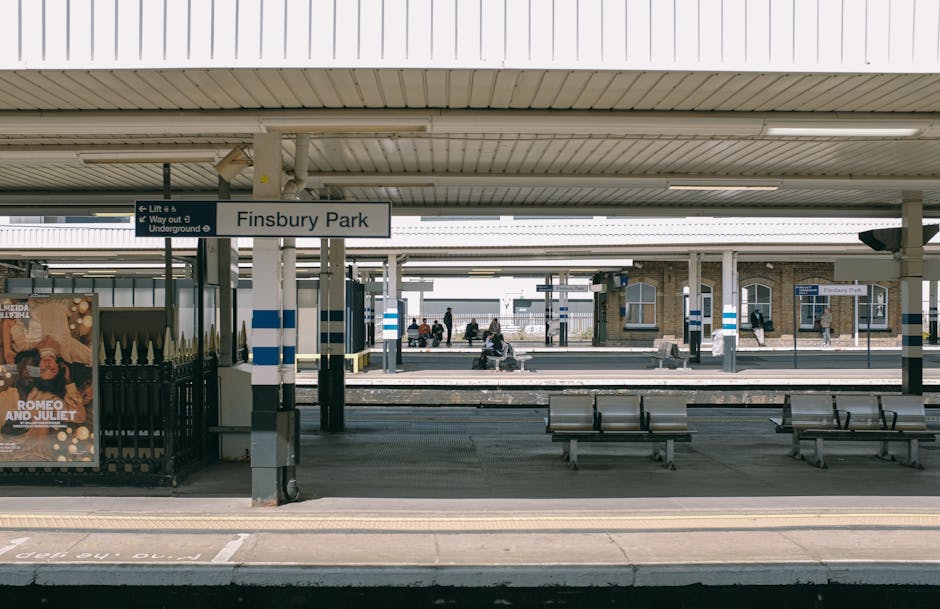
End of tenancy cleaning tips near Finsbury Park station
Moving out is rarely the fun part. Boxes everywhere, a final check from the landlord or letting agent looming, and that nagging feeling that one missed skirting board could cost you part of your deposit. If you are looking for end of tenancy cleaning tips near Finsbury Park station, you probably want two things: a cleaner, faster move-out and a better shot at leaving the property in inspection-ready shape.
This guide is built for real-life London moving days. It covers what end of tenancy cleaning actually involves, how to tackle the work room by room, what to prioritise first, and where people most often get caught out. You will also find a practical checklist, a comparison table, and a few local-minded tips that make the whole process feel less overwhelming. To be fair, it is a lot easier when you have a plan.
Table of Contents
- Why end of tenancy cleaning near Finsbury Park station matters
- How the cleaning process works
- Key benefits and practical advantages
- Who this is for and when it makes sense
- Step-by-step guidance
- Expert tips for better results
- Common mistakes to avoid
- Tools, resources and recommendations
- Law, compliance, standards, or best practice
- Options, methods, or comparison table
- Case study or real-world example
- Practical checklist
- Conclusion
- Frequently asked questions
Why End of tenancy cleaning tips near Finsbury Park station Matters
End of tenancy cleaning is not just "a good tidy-up." It is the final deep clean carried out before handing back a rental property, and it usually needs to be much more thorough than routine domestic cleaning. In busy areas around Finsbury Park station, where many renters are working to tight move-out deadlines and relying on tight transport links, the pressure can be even higher. One late train, one awkward handover, and suddenly you have less time than you thought.
The reason it matters is simple: rental properties are expected to be returned in a clean, presentable condition, usually in line with the tenancy agreement and the condition the home was in at the start, allowing for fair wear and tear. That means wiping down hidden grease, lifting bathroom limescale, cleaning inside appliances, and making sure the place looks properly cared for. A quick surface clean will not usually cut it.
There is also a practical side. When a property has been lived in for a while, dirt builds up in places that are easy to overlook: behind radiators, around taps, inside cupboards, on top of doors, and along the edges of floors. If you leave these areas untouched, they tend to stand out in an inspection. Not in a subtle way, either.
If you are comparing do-it-yourself effort with professional support, it may help to look at end of tenancy cleaning alongside deep cleaning. They overlap, but end of tenancy cleaning is more focused on move-out standards, while deep cleaning is broader and can suit homes that need a more general reset.
How End of tenancy cleaning tips near Finsbury Park station Works
The cleaning process works best when you think like an inspector for a moment. Start from the top of each room and work down. Dust and grime fall, so if you clean the floor first, you will end up doing it again later. Annoying, but true.
A proper move-out clean usually follows a predictable pattern:
- Declutter and remove personal belongings.
- Check the tenancy agreement for any specific cleaning clauses.
- Work room by room, focusing on visible and hidden dirt.
- Clean fixtures, fittings, and appliances carefully.
- Finish with floors, carpets, and final touch-ups.
- Do a final walk-through in good daylight, if possible.
Near Finsbury Park station, timing can matter because many tenants are balancing key collection, removal vans, and access windows. If you are coordinating a same-day check-out, a move-out cleaning plan is often easier to manage than trying to improvise on the day. If you are moving straight into another property, a move-in cleaning service may also be worth considering for the new place, but keep the handover cleanly separate in your head. Different jobs, different outcomes.
There is no magic trick here. The real secret is sequence. Clean the areas that create the biggest visual impact first: kitchens, bathrooms, and floors. Then deal with detail work like switches, door frames, shelves, and trim. That way, even if you run out of steam, the property still looks noticeably better.
Key Benefits and Practical Advantages
A well-planned end of tenancy clean can save time, reduce stress, and make inspections feel less like a guessing game. And let's face it, move-out day already has enough drama.
Here are the main benefits:
- Better first impression: A fresh, tidy property always looks more cared for than a rushed one.
- Less last-minute panic: A clear plan means fewer surprises on the final day.
- More thorough results: Breaking the job into rooms and tasks helps you avoid missed spots.
- Improved chance of meeting expectations: Cleaners, landlords, and agents all tend to notice the same problem areas.
- Less physical strain: If you are already moving furniture and carrying boxes, outsourcing some of the cleaning can be a relief.
For many renters, the biggest advantage is mental. Once the clean is under control, everything else feels slightly more manageable. You can focus on the inventory return, the keys, the van, or that one packed box you swear you saw earlier under the sofa.
If you need help with specific items, it can be sensible to pair your move-out clean with targeted services. For example, stubborn carpet marks may need carpet cleaning, while sofas and soft furnishings may benefit from sofa cleaning or upholstery cleaning. Kitchen build-up often responds well to oven cleaning, especially if the oven has been heavily used. Truth be told, kitchens are where the "we'll just wipe it later" approach tends to fall apart.
Who This Is For and When It Makes Sense
This advice is for tenants, sharers, students, landlords preparing a re-let, and anyone else who needs a property to look properly finished before handover. It is especially useful if your tenancy is ending in a rush, if you have lived there for more than a few months, or if the place has high-use areas like a busy kitchen, a small bathroom, or heavily trafficked hallways.
It also makes sense if you are moving around the Finsbury Park station area and have a narrow time window between leaving one property and settling into the next. That can happen a lot in London. One key in your hand, one luggage trolley on the platform, and a clock that somehow always moves faster than you want.
Different situations call for different approaches:
- Tenants on a tight deadline: Focus on the inspection-critical rooms first.
- Roommates sharing a move: Assign rooms or task zones so nothing is duplicated or forgotten.
- Landlords and property managers: Concentrate on presentation, hygiene, and consistency across rooms.
- Students: Keep it simple, structured, and practical, especially if the property has been used heavily.
- Pet owners: Pay extra attention to hair, odours, soft furnishings, and hidden corners.
If you are not sure whether your property needs a full reset or a lighter clean, looking at one-off cleaning can help you judge the level of support you need. For larger homes or properties with a more general upkeep issue, house cleaning or domestic cleaning may be more relevant during the tenancy itself, but the final move-out stage is still its own beast.
Step-by-Step Guidance
Here is the practical version. If you work through the property in this order, you are far less likely to miss the obvious stuff.
1. Start with a reset, not the detailed clean
Remove bags, clothes, food, toiletries, and small items first. You cannot clean properly around clutter. This sounds basic, but people skip it all the time because it feels too easy. Then, suddenly, the kitchen counter is covered in three mugs, two chargers, and a half-used candle.
2. Read the tenancy notes before you begin
Some agreements ask for professional-level cleaning, carpet attention, or particular appliance standards. You do not need to guess. Check what was originally agreed, and keep your work focused on those expectations.
3. Work from the top of each room downward
Dust high shelves, light fittings, tops of cupboards, and the tops of doors before handling lower surfaces. Then move to skirting boards, furniture fronts, and finally floors. This order saves effort and reduces repeat work.
4. Give the kitchen extra attention
The kitchen is usually the make-or-break area. Clean inside the oven, wipe the extractor hood, degrease cupboard fronts, and check handles, sinks, and taps. Empty the fridge fully and allow time for defrosting if needed. A damp smell from an unclean fridge can linger longer than people expect.
5. Tackle the bathroom with a descaler mindset
Bathroom cleaning is about shine and residue removal. Focus on taps, shower screens, tiles, grout lines, toilet bases, and basin edges. Limescale tends to hide in plain sight, especially around fixtures that get daily use.
6. Do the living room and bedrooms carefully
Dust picture rails, shelves, radiators, sockets, and internal windows. Vacuum under beds and behind furniture if possible. If you have curtains or blinds, check for dust accumulation. In a smaller flat near the station, these rooms often look fine at a glance but reveal a lot once the daylight comes in.
7. Finish with floors, carpets, and final checks
Vacuum thoroughly, mop hard floors, and inspect corners. If carpets look tired, consider whether rug cleaning or broader carpet cleaning would make a meaningful difference. Then do one last room-by-room scan with the lights on and curtains open. It is amazing what shows up at 5 p.m. that you did not notice at 9 a.m.
Expert Tips for Better Results
These are the small, practical things that often separate a passable clean from a really solid one.
- Use the right cloth for the right job. Microfibre is great for dust and general wiping, but a tougher pad may be needed for oven build-up or bathroom residue.
- Let products dwell. Give degreasers and descalers time to work before scrubbing. Otherwise you are doing all the muscle work yourself.
- Open windows while cleaning. Fresh air helps with smells, especially in kitchens, bathrooms, and after using stronger products.
- Check hidden touchpoints. Light switches, door handles, banisters, and cupboard edges collect fingerprints fast.
- Don't forget soft furnishings. Pet hair and dust cling to sofas, mattresses, and rugs more than people think.
A small but useful habit is to photograph key areas once they are finished. That is not about being dramatic. It is just a sensible record in case there is confusion at handover. Also, it gives you a bit of proof that your cleaner, more organised self did exist for a brief moment.
If you are choosing a cleaning provider, it can help to review who they are and how they work, along with practical details in their health and safety policy and insurance and safety information. Those pages are useful because move-out cleaning often involves ladders, chemicals, and delicate surfaces. Not exactly the place for guesswork.
Common Mistakes to Avoid
Most move-out cleaning problems are preventable. The trouble is, they usually happen right at the end when everyone is tired and packing tape is everywhere.
- Leaving the kitchen until last: This is a classic mistake. Kitchens take longer than expected.
- Ignoring the oven: Even a reasonably clean kitchen can fail visually if the oven is greasy.
- Cleaning around furniture instead of moving it: Dust tends to hide in the space nobody wants to lift.
- Forgetting high-touch points: Switches, handles, and edges matter more than people think.
- Using too much water on surfaces: It can leave streaks or damage unfinished wood and electronics.
- Not allowing drying time: A bathroom that looks clean but is still wet can appear unfinished at inspection time.
Another common slip is doing the "I'll just get the obvious areas" clean. That usually leaves behind the exact spots an agent notices first: behind the toilet, inside drawer runners, above cupboard doors, and the corner of a hob that collects old grease. Humans are predictable like that. So are property inspections, frankly.
Tools, Resources and Recommendations
You do not need a huge kit to do this well. You need the right basics and a sensible approach.
| Tool or item | Best use | Why it helps |
|---|---|---|
| Microfibre cloths | Dusting and wiping | Lift dust cleanly without leaving much lint |
| Vacuum cleaner | Floors, corners, upholstery | Essential for a proper final pass |
| Mop and bucket | Hard floors | Removes residue that vacuuming misses |
| Degreaser | Kitchen surfaces | Useful for cupboard fronts, extractors, and splash zones |
| Descaler | Bathroom taps, tiles, shower screens | Helps remove limescale and water marks |
| Oven cleaner | Inside the oven and trays | Targets burnt-on grease and baked residue |
| Lint roller or upholstery tool | Soft furnishings | Handy for pet hair, dust, and crumbs |
If your property needs more than surface cleaning, a combination of oven cleaning, mattress cleaning, and window cleaning can make a noticeable difference. Window glass, in particular, tends to show fingerprints and haze more than you realise until you stand back in daylight. Slightly unfair, but there it is.
For residents who prefer to keep cleaning support simple and flexible, regular cleaning can help maintain a property during the tenancy so the final move-out clean is less of a scramble. It is not a replacement for end of tenancy work, but it can reduce the build-up that makes move-out day harder than it should be.
For clear pricing, it is worth checking pricing and quotes in advance so you can plan properly. If payment or booking matters are on your mind, the related payment and security information can also be helpful.
Law, Compliance, Standards, or Best Practice
End of tenancy cleaning is usually governed more by the tenancy agreement and accepted condition standards than by one single cleaning law. In plain English, that means your main guide is the contract you signed, the inventory, and what counts as fair wear and tear. Good practice is to leave the property clean, hygienic, and ready for the next occupant.
Best practice in the UK rental sector commonly includes:
- returning the home in a clean condition comparable to the start of the tenancy, minus fair wear and tear;
- keeping receipts or records if you have arranged professional cleaning;
- avoiding damage through over-wetting, harsh abrasives, or unsuitable chemicals;
- following any safety instructions for cleaning products and equipment;
- using an agreed method if the tenancy requires professional cleaning or specialist treatment.
If you are hiring cleaners, it is sensible to check policies that cover safety, insurance, payment, and terms. Those pages are not exciting reading, granted, but they matter when you want accountability and clarity. You should also know where to go if you need support after the job. For example, a clear complaints procedure and accessible service information such as the accessibility statement can be reassuring, especially if you are organising the clean remotely or on a deadline.
For properties with shared entrances, stairs, or building-managed spaces, related services like communal area cleaning may also be relevant if the building needs a tidy finish before move-out or handover. And if the property has just come after renovation dust or minor repairs, after builders cleaning can sometimes be a better fit than standard domestic work. Different mess, different approach.
Options, Methods, or Comparison Table
Not every tenancy needs the same approach. Here is a simple way to compare your options.
| Method | Best for | Pros | Trade-offs |
|---|---|---|---|
| DIY end of tenancy clean | Small flats, light wear, flexible schedules | Lower upfront cost, full control | Time-consuming, easy to miss detail areas |
| Partial DIY + specialist add-ons | Kitchens, ovens, carpets, soft furnishings | Targets the hardest jobs, more efficient | Requires coordination and some planning |
| Professional end of tenancy clean | Busy move-outs, larger properties, tight deadlines | More comprehensive, less stress, often more consistent | Higher cost than doing everything yourself |
A practical rule of thumb: if the job is mostly visible dirt and light dust, DIY can work well. If the home has greasy appliances, stained carpets, or multiple rooms needing detailed attention, specialist help tends to make better sense. Near Finsbury Park station, where schedules can get squeezed by travel and handover timing, convenience alone can be worth a lot.
Case Study or Real-World Example
Here is a simple, realistic example. A couple moving out of a two-bedroom flat near Finsbury Park station had one weekend to clear the property. They had already packed most of their belongings, but the kitchen was still a problem: oven marks, cupboard crumbs, and a stubborn film on the extractor hood. The bathroom had limescale around the taps, and the lounge carpet had a couple of visible marks from everyday traffic.
Instead of trying to do everything in one frantic sweep, they split the work. One person handled cupboards, appliances, and kitchen surfaces. The other tackled the bathroom, skirting boards, and bedroom dusting. On the second day, they focused only on floors, windows, and final touch-ups. They also booked specialist help for the oven and carpets, which removed two of the slowest tasks from their list.
The difference was not just visual. By the time the keys were handed back, they were calmer. There was no last-minute scrubbing in a hallway, no panicked hunt for a clean cloth, and no debate over whether the freezer had been emptied properly. Small win, but a real one.
That is usually the pattern: the more you separate the hard jobs from the quick wins, the more manageable the move feels. You do not need to be perfect. You just need to be methodical.
Practical Checklist
Use this as your final walk-through list before handing back the keys.
- Remove all belongings, rubbish, and loose items.
- Wipe all horizontal surfaces, shelves, and ledges.
- Clean inside and outside cupboards and drawers.
- Degrease kitchen units, splashbacks, and handles.
- Clean the oven, hob, extractor hood, and fridge.
- Descale taps, shower screens, tiles, and sinks.
- Clean toilets, basins, bath edges, and bathroom mirrors.
- Dust skirting boards, door frames, switches, and sockets.
- Vacuum carpets, rugs, and upholstery.
- Mop hard floors and let them dry fully.
- Clean windows, sills, and internal glass where accessible.
- Check under furniture, behind radiators, and in corners.
- Take a final look in daylight and correct any missed spots.
Expert summary: The best end of tenancy cleaning tips near Finsbury Park station are simple but effective: start early, clean from top to bottom, prioritise kitchen and bathroom detail, and finish with a careful final inspection. If time is tight, focus on the rooms that create the strongest first impression and bring in specialist support for the hardest jobs.
Conclusion
End of tenancy cleaning near Finsbury Park station is really about control. When move-out day starts to feel chaotic, a clear plan gives you back a bit of that control. Focus on the key rooms, work methodically, and do not underestimate the value of the final details. That last pass over the skirting boards or the oven door can make a bigger difference than you think.
Whether you are cleaning yourself or arranging support, the goal is the same: leave the property looking cared for, complete, and ready for the next person. If you get the sequence right, the rest becomes much easier. And yes, you will still probably find one stray charger after you have packed everything. It happens.
Get a free quote today and see how much you can save.
For a smooth next step, review the service information, compare what level of cleaning you need, and then book with enough time to avoid the last-minute scramble. A calm handover beats a rushed one every time.
Frequently Asked Questions
What is included in end of tenancy cleaning?
It usually includes a thorough clean of kitchens, bathrooms, living areas, bedrooms, floors, surfaces, appliances, and often hidden spots such as skirting boards, cupboard interiors, and window ledges. The exact scope depends on the tenancy agreement and the condition of the property.
How early should I book end of tenancy cleaning near Finsbury Park station?
As early as you can, especially if you are moving on a weekend or at month-end. Those periods tend to be busy. Booking ahead gives you room to handle repairs, removals, and any unexpected delays.
Can I do end of tenancy cleaning myself?
Yes, if you have enough time, the right tools, and a property that is not heavily soiled. DIY works best when the job is straightforward. If the home has ovens, carpets, or stubborn buildup, specialist help may be more practical.
What rooms matter most in a move-out inspection?
Kitchens and bathrooms usually matter most because they show dirt, grease, and limescale very quickly. Floors and visible surfaces also have a strong impact, but those two rooms tend to draw the sharpest attention.
Do I need professional carpet cleaning at the end of a tenancy?
Not always. It depends on the carpet condition and what your agreement says. If there are stains, pet hair, heavy wear, or a noticeable smell, carpet cleaning can be a very good idea.
How is end of tenancy cleaning different from regular cleaning?
Regular cleaning keeps a home tidy and hygienic during everyday use. End of tenancy cleaning is much more detailed and focused on move-out standards, with extra attention to hard-to-see dirt and neglected areas.
Will cleaning help me get my deposit back?
A good clean can help you meet the return condition expected under your tenancy agreement, but deposit outcomes depend on the full inspection, fair wear and tear, damage, missing items, and any contractual issues. Cleaning is important, but it is not the only factor.
What if I do not have time to clean everything?
Prioritise the kitchen, bathroom, floors, and visible touchpoints first. If time is still tight, consider targeted support for the most demanding jobs rather than trying to rush the whole property.
Are ovens and windows worth cleaning separately?
Yes, often they are. Ovens can take a long time to clean properly, and windows are one of the fastest ways to improve the look of a room. Specialist attention can be worth it, especially if they are heavily marked.
What should I check before handing back the keys?
Do one final walk-through with the lights on, check cupboards, bins, appliances, and floors, and make sure nothing personal has been left behind. If possible, look again in daylight because smudges and dust can become more obvious.
Is there a difference between move-out cleaning and end of tenancy cleaning?
They overlap heavily, but move-out cleaning is a broader phrase. End of tenancy cleaning is more specific and usually tied to rental handover expectations, inspection standards, and the tenancy agreement.
What makes a cleaning service trustworthy?
Clear pricing, insurance, safety information, terms, and a transparent complaints process all help. So does a sensible explanation of what is included and how the work is carried out. Trust usually shows up in the details, not the sales pitch.